
Seeing fine lines or wrinkles in the mirror is a stark reminder that your body is growing older, even if you still feel young on the inside.
A loss of collagen contributes to some of the first outward signs of aging, and it usually begins in a person's 20s.
But guzzling collagen peptides in powders and drinks may do little to reverse that trend – despite what companies, celebrities, and influencers might claim.
A fresh appraisal of the evidence suggests that the popularity of collagen supplements is outpacing the rigor of the underlying science.
The article is published in the Journal of Cosmetic Dermatology, authored by biostatistician David Robert Grimes from Trinity College Dublin in Ireland and UK-based dermatologist Anjali Mahto.
It explains why the research on collagen supplements for skin aging is full of cracks.
When Grimes and Mahto reviewed two meta-analyses published in 2021 and 2023, they found errors, including confused statistical measures.
One meta-analysis even reported a nonsignificant finding as significant.
When Grimes and Mahto corrected this data, they found no significant relationship between collagen dose and improvements in hydration or elasticity.
"Despite the growing popularity of hydrolyzed collagen supplements as an intervention for skin aging, the current clinical evidence base remains methodologically fragile, inconsistent, and prone to bias," conclude Grimes and Mahto.
"Collagen may yet have a role in dermatology," they argue, "but at present, its promotion as a validated anti-aging intervention is premature and not scientifically defensible."
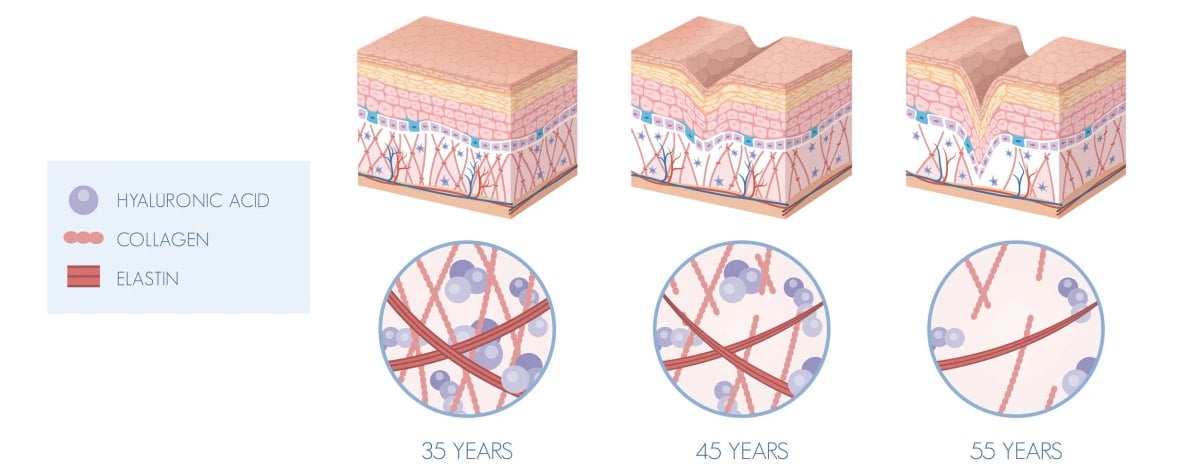
Today, it seems that boosting skin collagen is the promise of practically every anti-aging skin product on the market, and recently, oral forms of collagen have become bestsellers as ways to maintain skin health.
Young influencers online, like Kylie Jenner and Hailey Bieber, are increasingly sprinkling collagen into their 'get ready with me videos', and their viewers are paying attention.
Dermatologists like Mahto say they are increasingly faced with patients who are using or inquiring about collagen supplements for skin health.
But evidence that they work is scarce and contentious.
A recent review found that collagen supplements are linked to some improvements in skin elasticity and hydration, and greater improvements were reported with longer use.
"At face value, such results suggest that collagen nutraceuticals may indeed counteract some aspects of skin aging," write Grimes and Mahto.
"However, there are substantial methodological concerns that temper these optimistic conclusions."
For instance, an overwhelming number of studies included in these meta-analyses were industry-funded or involved authors with commercial ties to collagen manufacturers.
What's more, many trials were small and varied widely in the populations they studied (young versus old), the daily collagen dose, and how long participants continued treatment.
That weakens the comparisons that can be drawn between these studies in major reviews.
For instance, in one meta-analysis reviewed by Grimes and Mahto, collagen doses ranged from 0.3 to 10 grams per day. That's more than a 30-fold difference.
Not to mention the fact that some past trials combined collagen supplements with other bioactive ingredients.
"The inclusion of other potentially active agents alongside collagen may themselves affect aspects like skin hydration, elasticity, or appearance either positively or negatively," explain Grimes and Mahto.
"Previous meta-analyses and investigations have made little effort to account for this methodological limitation, rendering it even more difficult to attribute observed effects specifically to hydrolyzed collagen."
Hydrolyzed collagen is a version that is broken down into peptides. This makes it easier to dissolve and possibly digest, but how much of that material actually makes it back into the skin for an extra plumping effect?
Some animal studies suggest some does, but research in humans is lacking.
Randomized trials can hint at an underlying effect, but most of the ones conducted so far lasted only 8 to 12 weeks. There's also a chance that the placebo formulation used by some was not deceptive enough.
Collagen has a distinct taste and mouthfeel, and if participants could tell the difference, it would undermine the placebo control.
Given all of these complications, Grimes and Mahto argue that collagen supplements should not be integrated into routine care until more rigorous trials suggest otherwise.
"Until such evidence emerges, oral collagen supplementation should not be promoted or recommended within dermatological practice," they conclude.
"National societies such as the British Association of Dermatologists (BAD), European Academy of Dermatology and Venereology (EADV), and relevant regulatory bodies should consider issuing guidance advising clinicians against endorsing collagen supplements for skin aging in the absence of high-quality, independent evidence."
The research has been published in Journal of Cosmetic Dermatology.
This article was fact-checked by Fiona MacDonald and edited by Fiona MacDonald. While we pride ourselves on our process, we are only human. If you spot a mistake, please let us know.