
As if humanity needed another reason to embrace its early morning (or evening) espresso, scientists have just discovered a way that coffee potentially boosts health and longevity – and caffeine only plays a minor role.
Instead, coffee seems to exert its purported anti-aging properties primarily through plant-derived compounds found in fruits, vegetables, and herbs. After all, the coffee bean from which all macchiatos manifest is itself from a fruit.
Accordingly, it has been observed that coffee drinkers live longer and exhibit lower incidences of chronic and age-related disorders, including cancer, cardiovascular diseases, and dementia.
But many past studies have been observational, and unable to ascertain a clear biological explanation for coffee's apparent anti-aging effects.
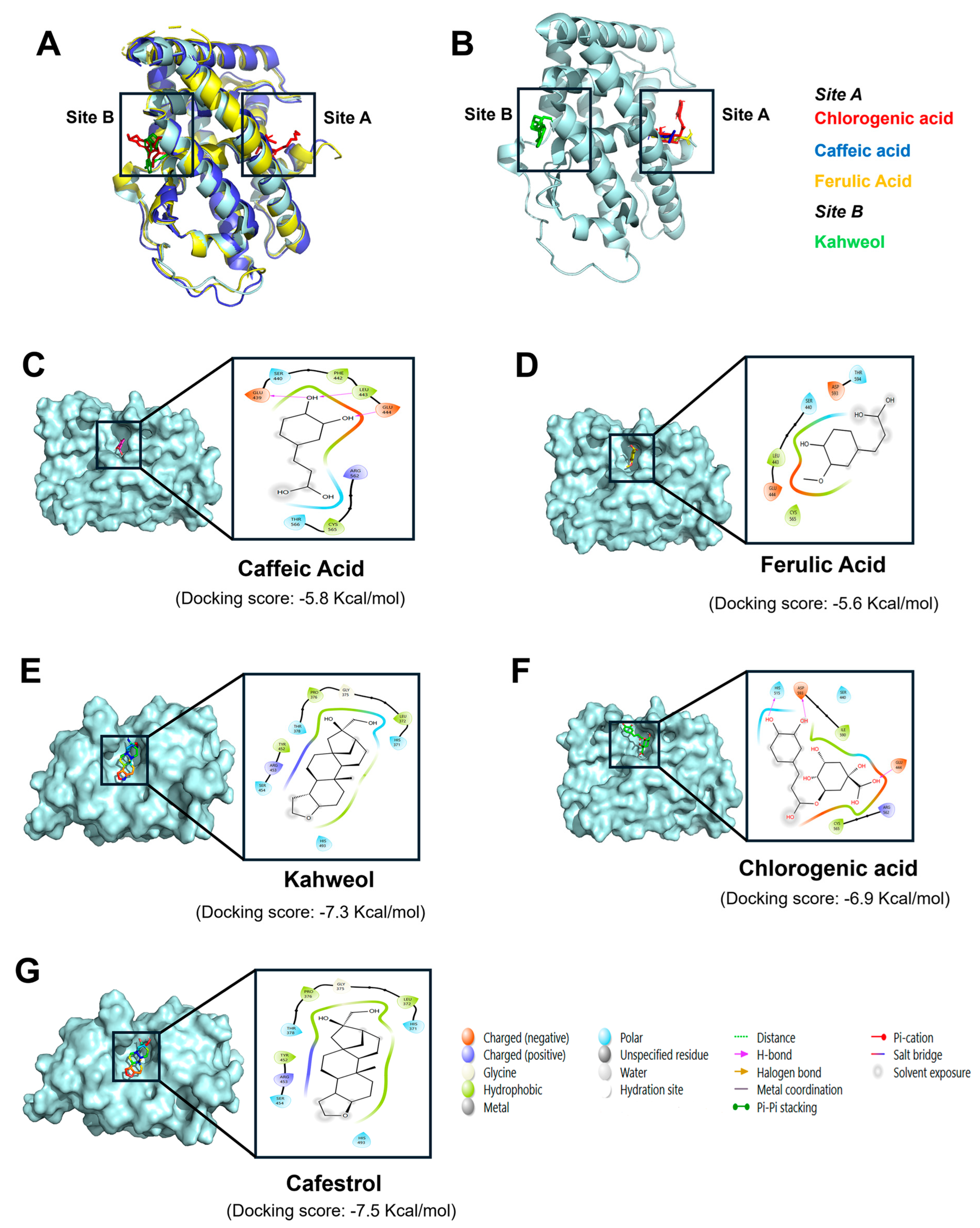
Now, binding studies and cell experiments from Texas A&M University suggest that coffee compounds may boost health by binding to a receptor called NR4A1, a protein that regulates gene activity in response to biological stress and other stimuli.
"Coffee has well-known health-promoting properties," explains biochemist Stephen Safe.
"What we've shown is that some of those effects may be linked to how coffee compounds interact with this receptor, which is involved in protecting the body from stress-induced damage."

As a "nutrient sensor," NR4A1 is thought to respond to dietary intake by modulating numerous processes throughout the body, including those related to inflammation, metabolism, and tissue repair.
Plus, previous research has shown that, in humans and mice, the expression of NR4A1 decreases with age, which may increase disease susceptibility.
"If you damage almost any tissue, NR4A1 responds to bring that damage down," Safe says. "If you take that receptor away, the damage is worse."
In this recent study, the researchers exposed various cell types to coffee and to individual coffee compounds. These cell types included a human cancer cell line, as well as macrophages (white blood cells) derived from the house mouse (Mus musculus).
They found that some coffee compounds bind to NR4A1, and inhibit cell growth in the cancer line. The inverse backed up the finding: The compounds had no effect in cells that had had NR4A1 removed.
 Some coffee compounds also appeared to inhibit an inflammatory response modulated by the white blood cells.
Surprisingly, even though caffeine often gets top billing, it does not appear to be the primary ingredient responsible for coffee's observed health effects via this particular pathway.
"Caffeine binds the receptor, but it doesn't do much in our models," Safe says. "The polyhydroxy and polyphenolic compounds are much more active."
While the study reported the effects of several coffee compounds acting on NR4A1, including chlorogenic acid and caffeic acid, coffee contains more than 1,000 chemical constituents, so it's an incredibly complex brew.
And while cell studies are useful for identifying molecular pathways, they can only tell us so much about how these compounds work in the body.
"There's still a lot of work to be done," Safe says. "We've made the connection, but we need to better understand how important that connection is."
Additionally, coffee compounds have been found to exert health effects in numerous other ways, including directly inhibiting enzymes, mediating immune processes, and altering the ever-important microbiome.
These mechanisms combine to confer coffee drinkers with health benefits similar to those observed in vegetarians and "Blue Zone" populations, despite coffee being a singular part of the total diet.
Though, as always, individual responses vary, so the researchers say their work does not change current coffee consumption recommendations.
Yet since NR4A1 is associated with diverse disorders and aging-related processes, this presents an intriguing direction for future therapies. Accordingly, the researchers are now exploring how synthetic NR4A1-altering compounds could be used to combat cancer and other common diseases.
Related: Caffeine Flips a Cellular Switch That May Slow Aging, Scientists Discover
It's worth remembering that there are a whole host of compounds in coffee, fruits, and vegetables that may (or may not) have beneficial effects, and which we can only get from eating a well-rounded diet.
Vexingly, this may not help to answer the timeless question that innumerable individuals debate daily: "Should I brew up another cup?"
This research was published in the journal Nutrients.