
Some menstrual cycles can feel like a physical and emotional rollercoaster ride.
In severe cases of premenstrual syndrome (PMS), the body is thought to have an abnormal reaction to the rise and fall of estrogen and progesterone.
This can lead to a whole host of distressing and overwhelming behavioral and physical symptoms, including anxiety and depression, irritability, fatigue, headaches, bloating, body aches, or sleep issues.
The condition is known as premenstrual dysphoric disorder (PMDD), and it is estimated to affect about 3 to 8 percent of those who regularly menstruate.
But it doesn't present the same for everyone – despite the fact that it is often diagnosed and treated that way.
Researchers at Uppsala University in Sweden have now split the disorder into three different patterns based on when symptoms begin, how severe they become, and how long they last.
This new personalized approach could lead to better diagnosis and treatment.
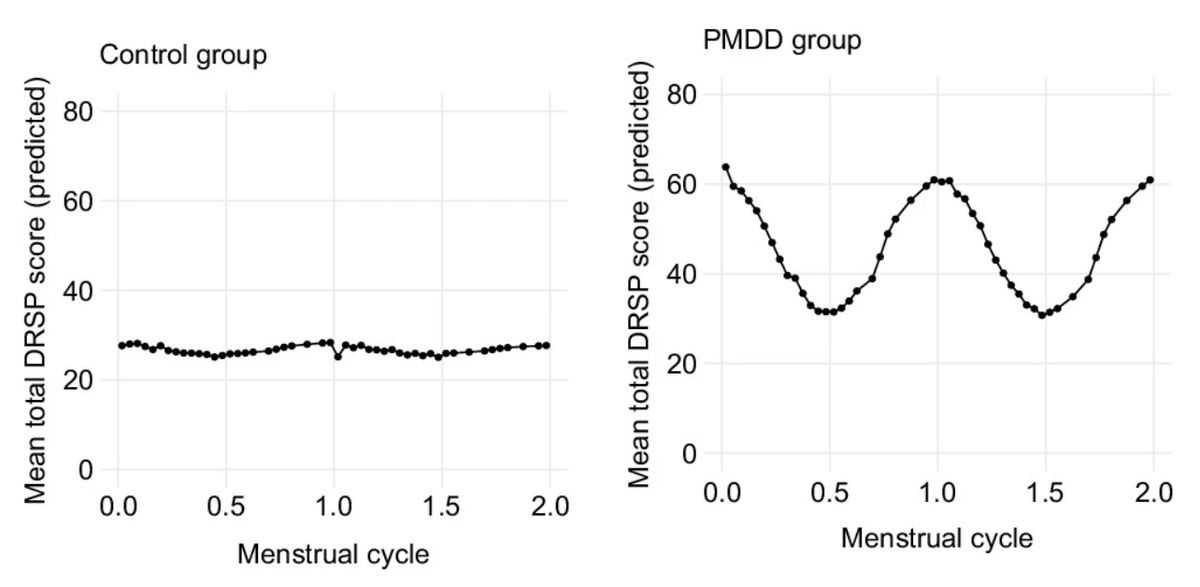
The team followed 90 women with PMDD and 44 women without the disorder across two consecutive menstrual cycles, tracking their self-reported symptoms from day to day.
Computer models ultimately unveiled three distinct subtypes for those with PMDD, challenging the assumption that all symptoms follow a similar timeline.
Today, a DSM-5 diagnosis depends on PMDD worsening in the week before menstruation and improving shortly after bleeding begins, but symptoms don't always present this way.
The new study suggests there are different timelines for different manifestations of the disorder.
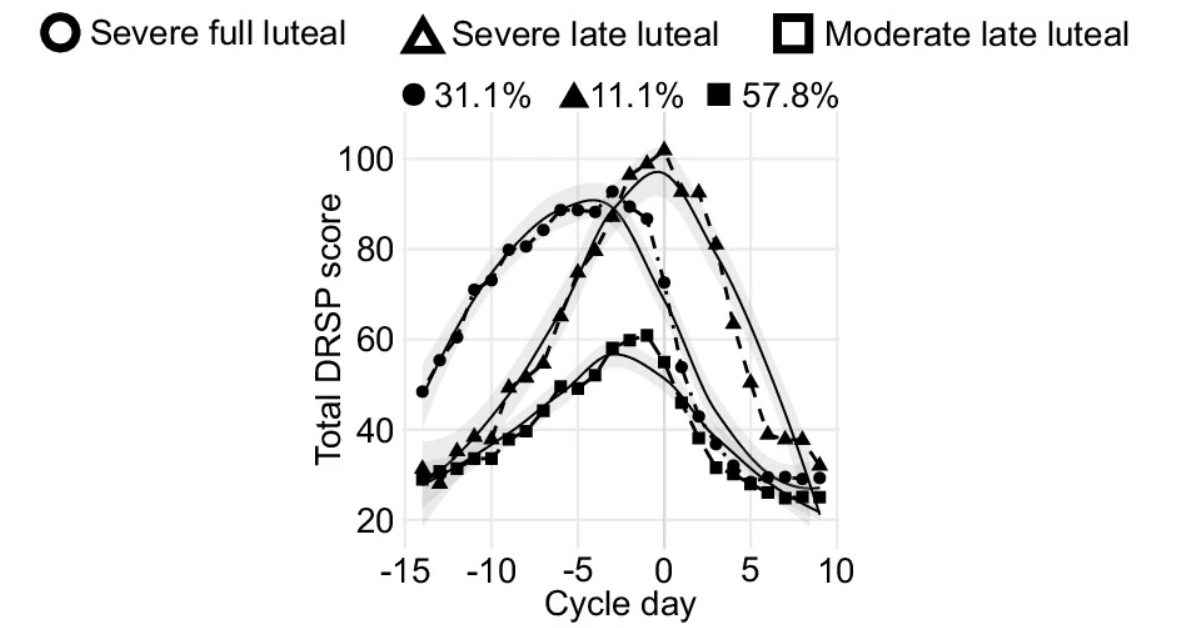
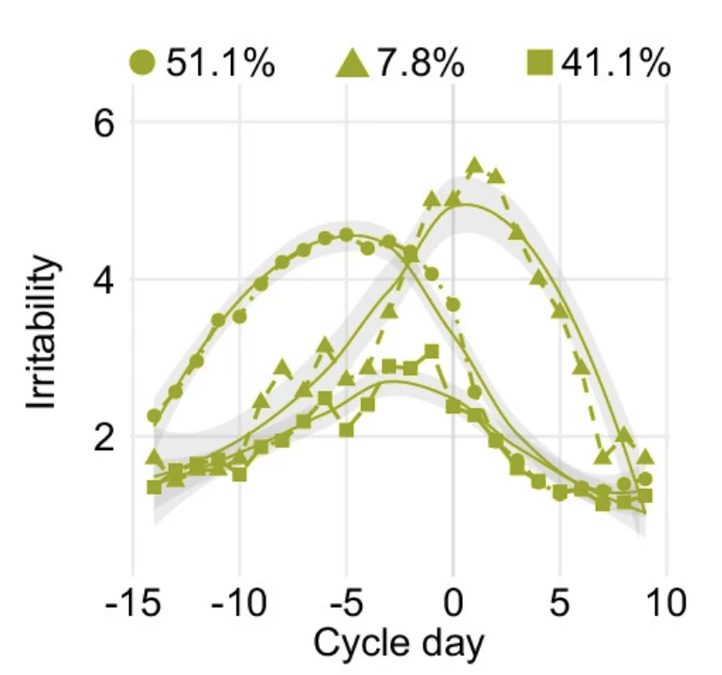
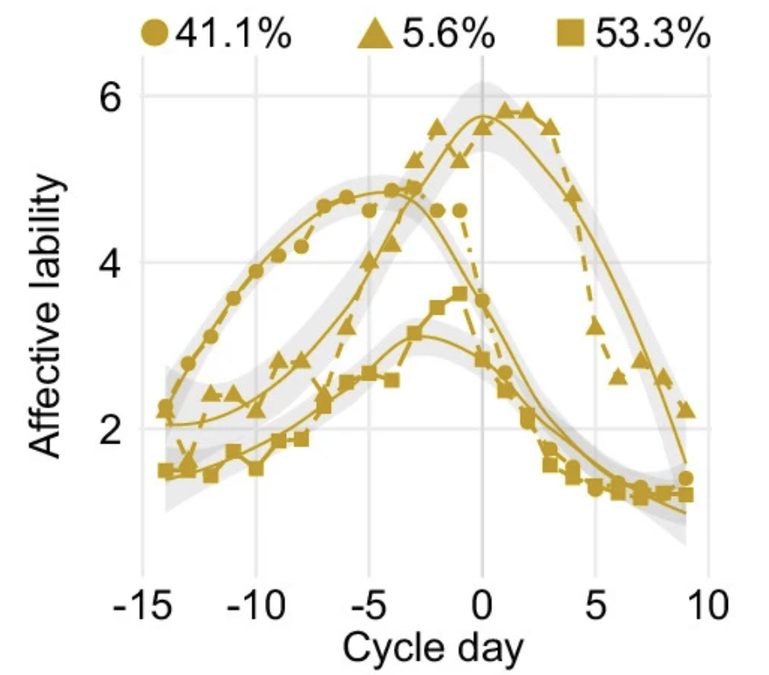
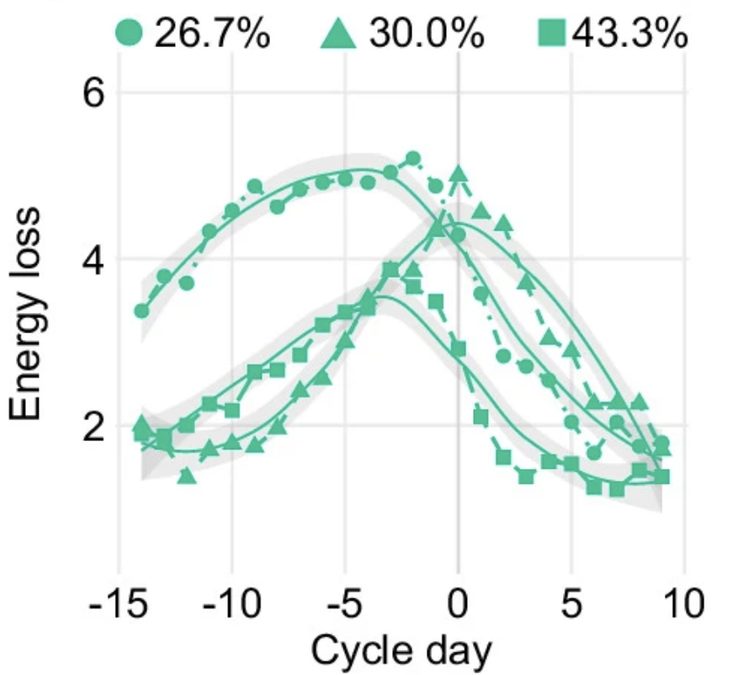
One of the most common symptom timelines identified by researchers in Sweden is called the 'severe full luteal'.
Symptoms in this case usually begin shortly after ovulation, and in the weeks leading up to menstruation, they gradually become more severe. Once bleeding starts, however, symptoms typically cease.
Irritability commonly follows this pattern, the authors found.
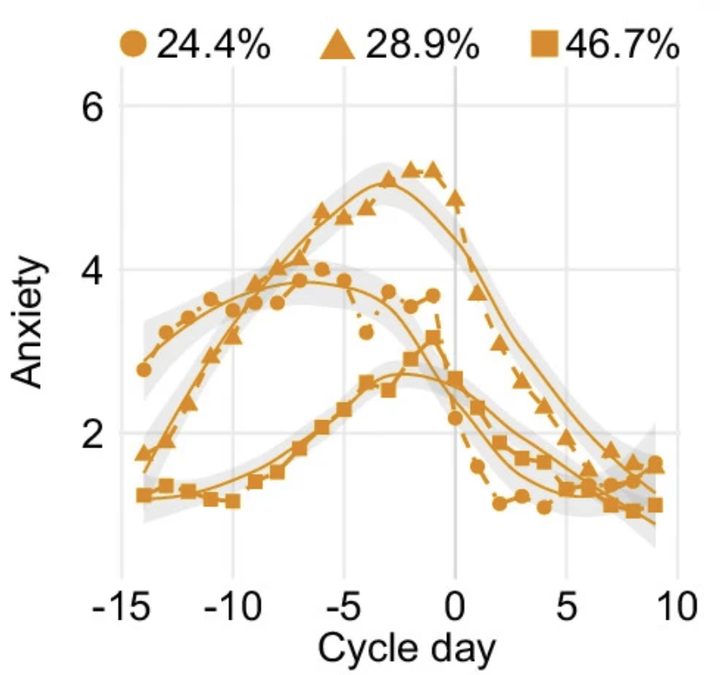
A second pattern, called the 'severe late luteal', has symptoms that begin a bit later in the luteal phase and ramp up quickly to become severe.
They also can linger for four to five days after bleeding begins.
Anxiety commonly follows this trajectory.
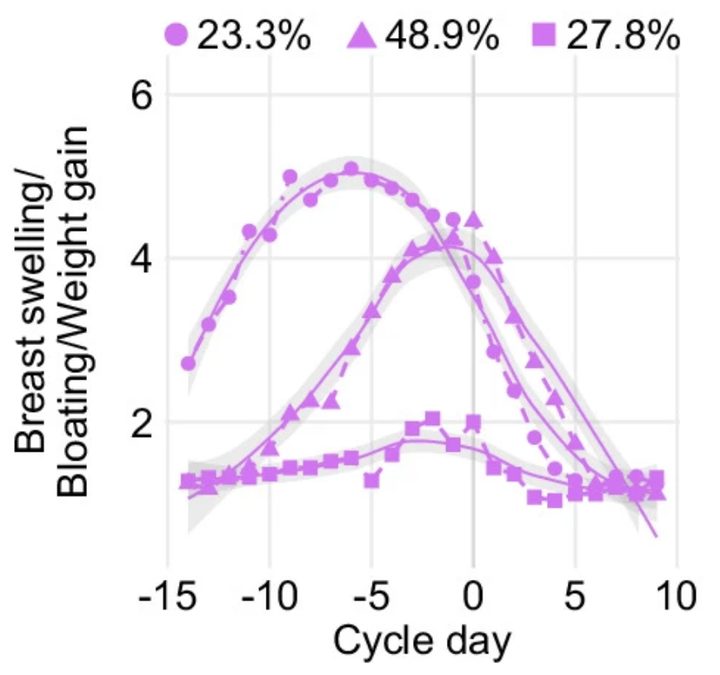
The third and final pattern is the 'moderate late luteal' subtype. In this case, symptoms appear just before menstruation, and they are generally less severe. They also disappear soon after bleeding starts.
Depression, anxiety, and mood swings commonly follow this timeline.
As do several physical symptoms, such as joint pain and headaches, though they tend to be less severe than in other timelines.
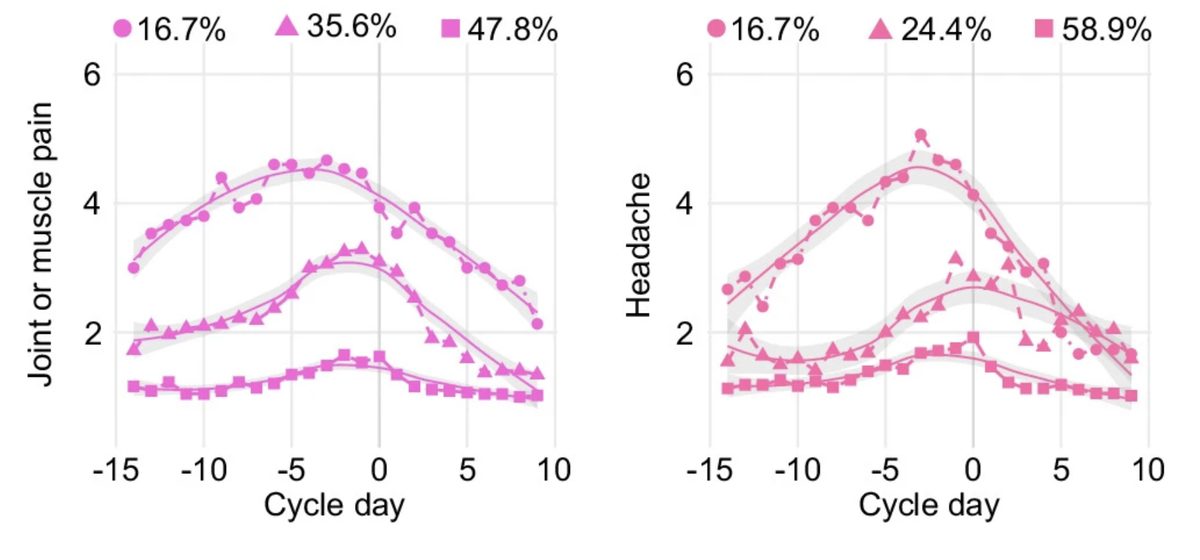
(Schleimann-Jensen et al., Nature Communications, 2026)
"To date, PMDD symptomatology and its temporal onset and offset have generally been treated as homogeneous across, and stable within, individuals, with little attention given to inter- and intra-individual heterogeneity," researchers at Uppsala explain.
But the reality may be far more nuanced than that, and researchers in Sweden are not the first to delve into the details.
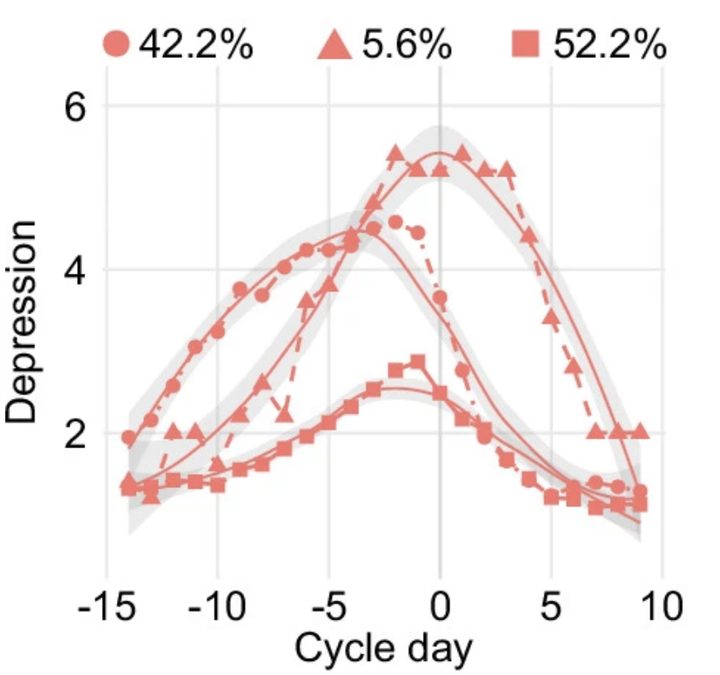
In 2019, an international team of researchers identified three very similar symptom trajectories among 74 individuals prospectively diagnosed with PMDD.
But this previous study only tracked one menstrual cycle.
In the new study from Sweden, two cycles were tracked, and 98 percent of participants with PMDD experienced more than one symptom subtype during this time.
The study is small, and ovulation wasn't directly measured, but the authors argue that their findings support the idea that PMDD is a "complex, cyclical disorder rooted in psychoneuroendocrine dynamics."
"By integrating dynamic symptom modeling with clinical practice, we could advance precision in the mental health care of people who menstruate, and reduce the burden of PMDD," the team argues.
Similar to severe period pain, PMDD is often dismissed by health care professionals as all part of the typical menstrual cycle.
But this disorder is not to be taken lightly.
The emotional, cognitive, and physical symptoms can severely impair a person's ability to function and can cause great distress in their life – even suicidal ideation.
Today, however, awareness of the condition is poor, and misdiagnosis is common.
Psychiatrists and psychologists often fail to recognize the condition, and for patients in many nations, medical gaslighting and diagnostic 'odysseys' are common experiences.
In a 2026 editorial for the British Journal of General Practice, researchers argued that "while there is overlap between PMDD and PMS, and current guidelines largely recommend similar management approaches, the severity and cyclical nature of symptoms may not be fully recognized."
"As a result," they add, "patients with PMDD may be managed in the same way as those with milder PMS, which may lead to under-recognition of the impact on functioning, delayed escalation of treatment, and a lack of appropriate follow-up."
Even when a patient is properly diagnosed, treatment options are limited.
Psychological support, like cognitive behavioral therapy, may be recommended, and pharmacological treatment, such as oral contraceptive pills or selective serotonin reuptake inhibitors, could be advised.
But a significant percentage of patients don't respond to available therapies.
Treatment-resistant PMDD can be debilitating and life-threatening. A 2021 meta-analysis in the Journal of Women's Health found that PMDD was associated with nearly sevenfold higher odds of suicide attempts.
Future studies are needed to understand more about how the symptoms of PMDD manifest and how they might be treated more effectively.
But if, going forward, each symptom of PMDD is assumed to have a similar timeline, it may obscure some of the underlying mechanisms at play.
Acknowledging that there are differences could ultimately help explain why some patients respond to treatment, and others do not.
The research has been published in Nature Communications.
This article was fact-checked by Fiona MacDonald and edited by Fiona MacDonald. While we pride ourselves on our process, we are only human. If you spot a mistake, please let us know.