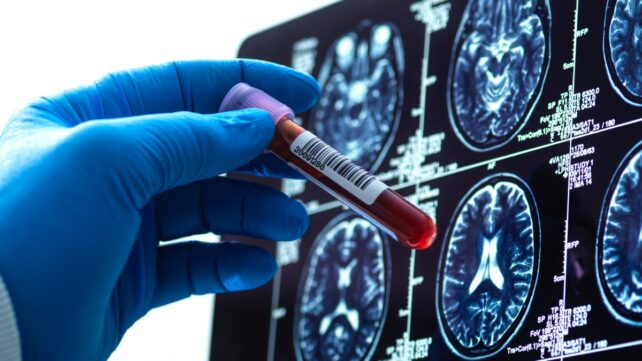
Depression is thought to affect nearly 6 percent of adults, but diagnosing it can be tricky: Symptoms vary, and assessment still depends heavily on self-reported experience.
A more definitive blood test could benefit both patients and doctors.
That's something that new research gets us closer to, and it's based on a study mostly made up of women with HIV – a group that is particularly hard hit by depression, with incidence rates some 2–3 times that of the general population.
The research team, from institutions across the US, analyzed blood samples from 261 women with HIV and 179 without the virus. Through questionnaires, data were also collected on any depressive symptoms these women had recently experienced.
When blood biomarkers were compared to depression symptoms, there was one statistically significant association: between the biological aging of immune cells called monocytes and non-somatic (non-physical) symptoms of depression, such as feeling hopeless or disengaged from previously enjoyable activities.
"This is particularly interesting because people with HIV often have physical symptoms like fatigue that are attributed to their chronic illness rather than a depression diagnosis," says Nicole Beaulieu Perez, a psychiatry researcher from the New York University Rory Meyers College of Nursing.
"But this flips that on its head because we found that these measures are associated with mood and cognitive symptoms, not somatic symptoms."
Analyzing monocytes is a relatively new 'epigenetic clock' method – a way of measuring biological age compared to chronological age.
It's called MonoDNAmAge, and it looks at methylation, which are molecular tags on the DNA of monocytes, to work out how quickly they're aging.
Besides being linked to emotional and psychological symptoms of depression, monocyte aging also outperformed another epigenetic clock in this detective work – the Horvath clock, which has been around longer.
The suggestion is that a more precise approach, focusing on single cells such as monocytes, might work better for some epigenetic clocks when researchers are trying to join the dots between biological age and disease.

While this stops short of being a ready-to-go blood test for depression, considering several symptoms weren't linked to biological aging, it suggests that such a test might one day be possible.
It's also another reminder that depression manifests in a variety of different ways.
"Depression is not a one-size-fits-all disorder – it can look really different from person to person, which is why it's so important to consider varied presentations and not just a clinical label," says Perez.
"For women with HIV who may be experiencing depression, we want to better understand what's going on and catch it earlier so that it doesn't harm their whole overall health."
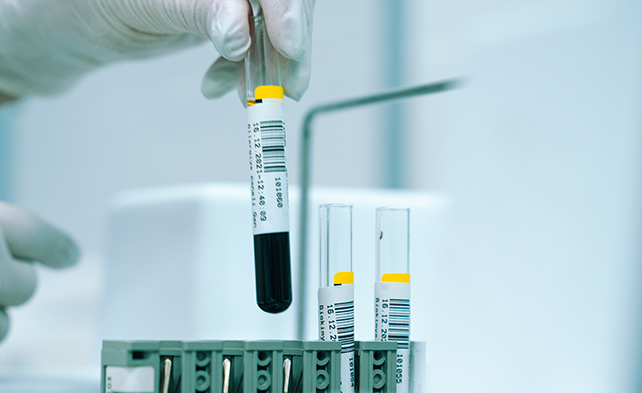
Symptoms of depression, such as hopelessness or a loss of pleasure, can be overlooked if they're not also accompanied by physical signs, and this research points to a way that more subtle signs of the disorder could be spotted.
"I think about the adage, 'what gets measured gets managed'," says Perez. "An aspirational goal in mental health would be to combine subjective experience with objective biological testing."
An earlier, more precise diagnosis means treatments can be explored and implemented sooner. We also know that left untreated and unmanaged, depression can often lead to other health issues and premature death.

Our biological age – not how many birthdays we've had, but the amount of wear and tear on our bodies – has been linked to depressive symptoms before, and this study is further evidence that aging markers could serve as a reliable diagnostic method.
Related: Brain Pattern Reveals Why Chronic Pain Leads to Depression
"Our findings bring us a step closer to this goal of precision mental health care, especially for high-risk populations," Perez says, "by providing a biological framework that could guide future diagnosis and treatment."
The research has been published in The Journals of Gerontology, Series A: Biological Sciences and Medical Sciences.