While GLP-1 drugs such as Wegovy and Ozempic are now being broadly championed and widely used, several studies are revealing some potentially worrying side effects – including new research that looks in detail at related vision loss.
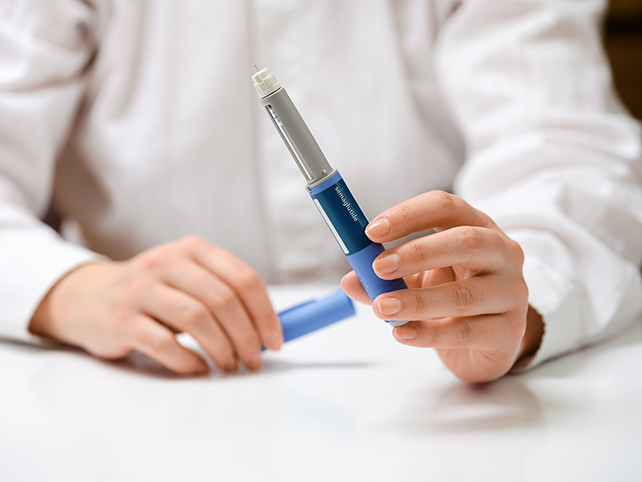
These medications are so named because of how they mimic the effects of the glucagon-like peptide-1 (GLP-1) hormone to suppress appetite, aid digestion, and regulate blood sugar. They've been extensively prescribed to help with weight loss and manage diabetes.
However, reports of eyesight problems related to GLP-1 drugs and their active ingredient, semaglutide, are on the rise, prompting medicines regulators in the UK and Europe to review the risks based on available data.
In this new study, a team from universities across Canada analyzed records of adverse events collected by the US Food and Drug Administration (FDA) over 7 years, 2017-2024, and looked for cases of ischemic optic neuropathy (ION).
The rare condition can cause sudden and complete vision loss due to a lack of blood flow to the optic nerve – and it can be permanent in some cases.
The researchers wanted to see how many cases of ION occurred in people taking different semaglutide formulations: Wegovy (for weight loss), Ozempic (for type 2 diabetes), and Rybelsus (for type 2 diabetes).
"These findings extend our prior global analysis and, whereas previous studies identified only an agent-specific association, this study provides the first evidence of a formulation- and dose-dependent ION risk, with the strongest association observed for Wegovy," write the researchers in their published paper.
The statistical analysis deployed by the team found that the odds of a Wegovy-related ION complaint were almost five times higher than with Ozempic, while no clear relationship was found between Rybelsus and ION.
That's a stark difference, but it's important to put the numbers into context. The FDA database the researchers analyzed included more than 30 million so-called adverse events, and of these, there were a total of 28 cases linking Wegovy to ION and 47 cases linking Ozempic to ION.
While that Ozempic number is higher, it's been prescribed for a lot longer than Wegovy. Even so, the researchers found the strongest ION signal with Wegovy, and this persisted after adjusting for demographic factors such as age and sex: The odds of ION among Wegovy users were 4.74 times higher than with Ozempic, based on reported cases.
There was a clear difference between the sexes, too: Men taking semaglutide of any kind were about three times more likely to report a case of ION than women using GLP-1 drugs.
While these results are associations from one particular FDA database – not risk estimates for the general, global population prescribed semaglutide – they are still concerning to experts who say further research is necessary.
"These findings highlight a potential dose-dependent safety concern that warrants urgent prospective evaluation to guide prescribing and regulatory policy," the researchers write.

The team didn't examine why a link between GLP-1 drugs and vision loss might exist in this study, but they have a few ideas. It's possible that Wegovy, which has been approved for use at higher doses than other GLP-1 drugs, may lower blood pressure, perhaps reducing blood supply to the eye.
That's a hypothesis that further research can investigate. In the meantime, scientists are building a complex picture of GLP-1medications. Besides their primary effects, they have been linked with a host of other biological consequences, from reduced cancer risk to a greater likelihood of depression.
In a linked commentary, researchers from the University of Southampton in the UK (who were not involved in the study) discuss balancing the urgent need for anti-obesity strategies with the equally urgent need to make sure treatments are safe.
Related: Ozempic-Like Drugs May Increase Risk of Bone And Joint Conditions
"Further studies providing nuanced information of this kind are therefore warranted," they conclude, "for better understanding of anti-obesity medication effects in the eye, especially given their increasing usage."
The research has been published in the British Journal of Ophthalmology.