A combination of obesity and low levels of the nutrient choline could contribute to accelerated brain aging and potentially some early triggers of neurodegenerative diseases such as Alzheimer's, according to a new study.
Choline is well established as one of the most vital nutrients for a healthy body, so a lack of it, together with stresses associated with obesity, might act as warning signs for cognitive decline long before actual symptoms appear, according to researchers led by a team from Arizona State University (ASU).
"This research adds to the growing evidence that choline is a valuable marker of metabolic and brain dysfunction – and reinforces the importance of sufficient daily intake, as it is essential for human health," says neurobiologist Ramon Velazquez, from ASU.
Related: Speaking Multiple Languages May Slow Brain Aging, Study Suggests
"Several new reports published this month further link reduced blood choline levels to behavioral changes, including anxiety and memory impairment, as well as broader metabolic dysfunction."
The researchers recruited 15 people with obesity with an average age of 33.6, matching them against 15 healthy controls, before analyzing key chemical levels and biomarkers in the systems of all participants.
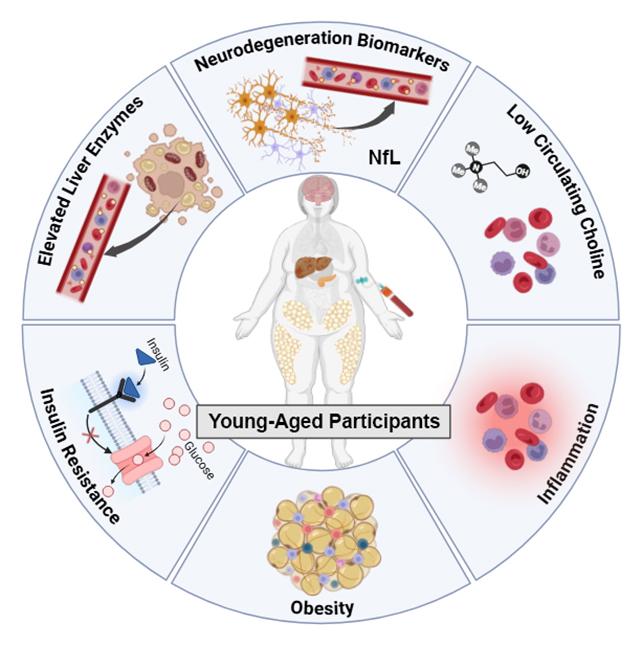
Individuals with obesity were found to have several noticeable differences, including less choline circulating through their bodies, an increased number of biomarkers linked to inflammation, and higher levels of neurofilament light (NfL) – a blood protein indicating neuron damage.
There was a strong correlation between lower choline and higher NfL in those with obesity, and crucially, the same pattern was observed in analyses of post-mortem brain tissue from older people who had died with Alzheimer's or mild cognitive impairment (MCI).
The data isn't comprehensive enough to prove cause and effect, but the big picture is that obesity, choline, and accelerated brain aging leading to dementia could all be connected. Choline could be part of the reason why obesity is a risk factor for Alzheimer's.
"Our results suggest that, in young adults, good metabolic health and adequate choline contribute to neuronal health, laying the groundwork for healthy aging," says ASU behavioral neuroscientist Jessica Judd.
It's the latest study to highlight the multitude of variables and factors involved in brain aging and dementia. Untangling the knotty combination of causes and consequences is a real challenge for scientists, and discoveries like this can bring clarity to what's happening as brains get older.

Further studies are required to understand the details of this three-way link between obesity, choline, and neurodegeneration, but the researchers suggest that low levels of the nutrient could be an early warning sign of diseases such as Alzheimer's, suggesting a boost to choline levels might work as a preventative measure.
While the liver produces a small amount of choline naturally, our daily recommended intake can be easily managed by eating eggs, fish, poultry, beans, and cruciferous vegetables. We already knew the nutrient was important for health, but now there's another reason to make sure it's in your diet.
"Most people don't realize they aren't getting enough choline," says biochemist Wendy Winslow, from ASU.
"Adding choline-rich foods to your routine can help reduce inflammation and support both your body and brain as you age."
The research has been published in Aging and Disease.