In the annals of 'cat parasite' research, Toxoplasma gondii grabs most of the headlines.
The mysterious pathogen, which may infect up to one-third of the global population, is famous for altering the behavior of its hosts, and it's also of serious concern for its varying effects on human health.
But T. gondii isn't the only parasite that cats and humans have the misfortune of sharing.
In a new study published in PLOS One, scientists shine a spotlight on a protozoan pest called Giardia duodenalis, and the research team says it's the largest investigation to date on the parasite's prevalence in domestic cats in North America.
While most infections with G. duodenalis don't produce symptoms, it can result in the disease giardiasis in both humans and animals, which can cause diarrhea, abdominal pain, weakness, and other signs of poor health, including failure to grow in animals.
In the study, led by veterinarian and first author Margaret Wingerd from VCA SouthPaws Veterinary Specialists & Emergency Center in Fairfax, Virginia, researchers analyzed more than 157,000 stool samples collected from domestic cats across the US and Canada.
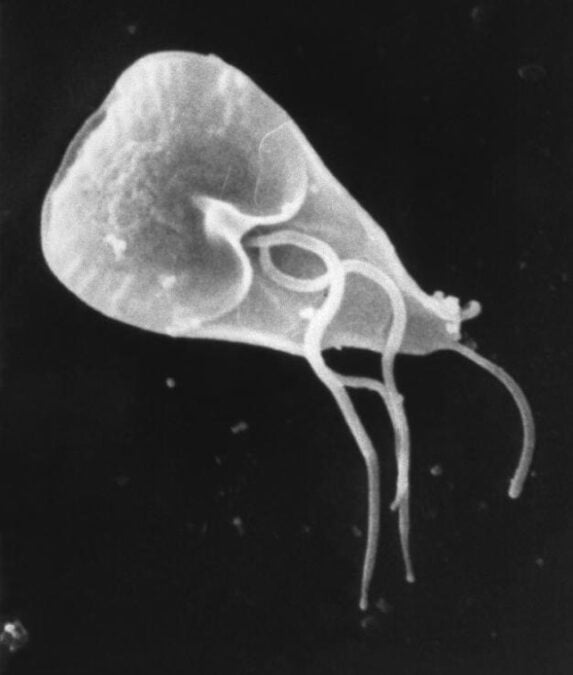

Using PCR testing, the team identified G. duodenalis in 9,962 of the samples analyzed, corresponding to an overall detection rate of 6.3 percent – approximately one in every 16 cats tested.
Of those positive samples, 1,840 (18.5 percent) were detections of the A or B assemblages of the parasite with zoonotic potential, which means the infection could potentially spread to humans.
Among cats that carried the parasite, a number of patterns were identified.
Generally, male cats were slightly more likely to be infected than female cats, and younger cats were more likely to be infected than older cats.
Kittens showed a much higher rate of positive cases (10.7 percent) compared to senior cats of 10 years or older (1.3 percent), and kittens also showed the highest proportion of assemblage A/B positivity (19.9 percent).
Adult cats that had not been spayed or neutered were generally more likely to carry the parasite than their sterilized counterparts, although the opposite pattern was observed in kittens.
The researchers speculate that the higher odds in males and intact cats may be due to exposure differences because of housing differences (indoor versus outdoor), increased roaming behavior, or differences in immune competency.
With regard to kittens showing greater chances of infection than older cats, the researchers say it could reflect greater acquired immunity in older animals, or may also indicate differences in exposure due to housing and activity.
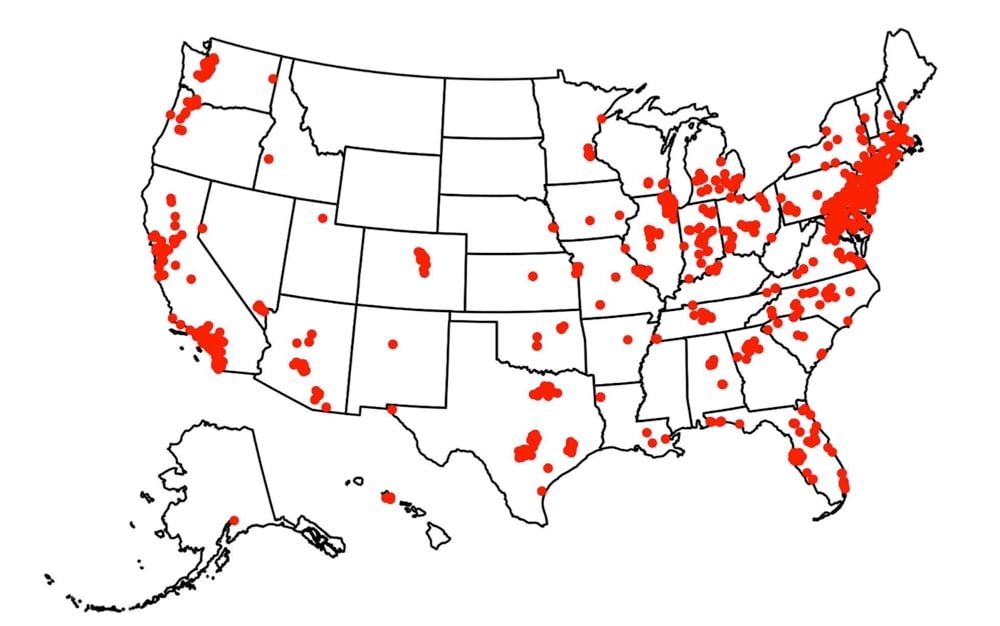
In terms of geography, cats in the US Midwest had the highest overall detection rate (7.8 percent), while cats in the Northeast had the highest proportion of potentially zoonotic variants among positive samples (21.6 percent).
Seasonal differences also seem to matter, with significantly lower detection rates in summer (4.6 percent) compared to winter (8.1 percent).
"G. duodenalis cysts can survive for a prolonged time in cool and moist environments," the researchers write.
"This could explain the lower infection rate in summer in general, as summer tends to be warm and dry, and cysts are less likely to survive."
All told, the findings show that only about 1.2 percent of the more than 157,000 samples tested carried parasites that could potentially infect people.
While this represents a relatively small proportion of the cats tested, the researchers say the prevalence of the parasite warrants caution and careful monitoring.
"Given the ability of G. duodenalis to infect a wide variety of hosts including people and animals, this protozoan can present a public health concern," the study authors write.
"Based on our results, about 18 percent of cats in the US and Canada infected with G. duodenalis have potential zoonotic assemblages. This highlights the need for routine fecal screening in domestic cats, especially in cats at a higher risk for G. duodenalis or those living in households with young children, the elderly, and immunocompromised people."
The findings are reported in PLOS One.
This article was fact-checked by Fiona MacDonald and edited by Fiona MacDonald. While we pride ourselves on our process, we are only human. If you spot a mistake, please let us know.