
The Diabetes Prevention Program (DPP) and its long-running follow-up, the Diabetes Prevention Program Outcomes Study (DPPOS), have tracked thousands of people for more than two decades, examining how lifestyle changes can ultimately influence health.
Now a new study has been published, based on this data – and it shows that the benefits of healthy living can go way beyond preventing diabetes.
The study comes from researchers from institutions across the US, who analyzed the health records of 1,173 people who were originally enrolled into the DPP with prediabetes.
They were split into three groups: one taking daily placebos, one taking the diabetes medication metformin, and one put on a healthy regimen of diet and exercise with the aim of losing at least 7 percent of their body weight. These routines were then followed for three years.
During more than two decades of follow-up, the diet and exercise group was significantly less likely to develop combinations of chronic diseases, such as heart failure and dementia.
Even after the original focus of the research, diabetes, was excluded from the list of chronic diseases, the overall chronic disease risk remained lower.

"Preventing diabetes is critically important, but preventing the accumulation of multiple chronic diseases as people age may have even broader implications for quality of life, independence, and healthcare costs," says medical officer Marcel Salive of the National Institute on Aging in the US.
After the initial DPP trial ended, placebo treatment was discontinued, and metformin treatment continued in the follow-up study.
Those who had been assigned to the lifestyle program had a 21 percent lower risk of developing multimorbidity than those on placebo over the study period (multimorbidity was defined as having two or more chronic conditions).
There was little difference between the placebo group and the diabetes medication group.
The 15 chronic conditions that the researchers looked for were hypertension, heart failure, coronary artery disease or ischemic heart disease, cardiac arrhythmias, hyperlipidemia, stroke, arthritis, asthma, cancer, chronic kidney disease, chronic obstructive pulmonary disease, dementia (including Alzheimer's disease), depression, osteoporosis, and diabetes.
Adjustments were made for several factors that may have influenced the results, including age, sex, race and ethnicity, alcohol consumption, and body mass index (BMI), thereby further strengthening the associations.
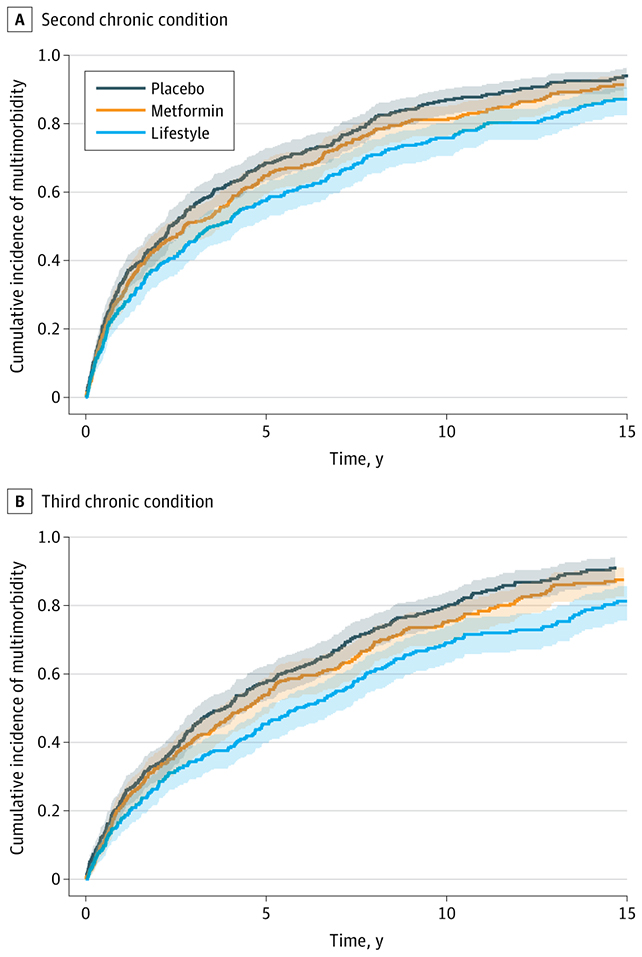
"Beyond diabetes prevention, lifestyle intervention was associated with fewer chronic conditions in aging," write the researchers in their published paper.
"Findings suggest that intensive lifestyle modification may prevent or delay multimorbidity in middle and older age among adults with high risk of diabetes or with diabetes."

What makes these results particularly encouraging is that eating more healthily and getting more regular exercise is something most of us can attempt without too much difficulty.
The indication is that many years of good habits increase the likelihood of an old age less hampered by disease.
While the study isn't enough to prove cause and effect, there's a strong association here, even years after the original groupings around diet and exercise had finished.
"These findings highlight the long-term value of healthy eating, regular physical activity, and weight management," says epidemiologist Dana Dabelea of the Colorado School of Public Health.
Not so encouraging is the statistic that, across the entire study group, including those who were given the diet and exercise regimen to follow, 85 percent of participants developed at least two chronic conditions.
As the global population gets older, longer life isn't necessarily accompanied by good health. There's now a growing body of research examining the factors that contribute to healthy aging.
Related: Promising Anti-Aging Drug May Cause Brain Damage, Scientists Warn
"As policymakers, healthcare providers, and public health leaders seek solutions to rising chronic disease rates and healthcare costs, the findings offer a powerful reminder: investments in prevention matter," says Travis Leiker, assistant dean of external relations at the Colorado School of Public Health, who wasn't directly involved in the study.
The research has been published in JAMA.