
This week in science: sleep found to be a key factor in life expectancy; cats meow twice as much at men as at women; a quick-acting relief for depression; and much more!
One Critical Factor Predicts Longevity Better Than Diet or Exercise, Study Says

Not getting enough sleep has been linked to lower life expectancy. Its effect is stronger than diet or exercise, and second only to smoking.
"I didn't expect [insufficient sleep] to be so strongly correlated to life expectancy," says sleep physiologist Andrew McHill at Oregon Health & Science University.
"We've always thought sleep is important, but this research really drives that point home: People really should strive to get seven to nine hours of sleep if at all possible."
Read the full story here.
US Man Dies From Rabies After Receiving Infected Kidney
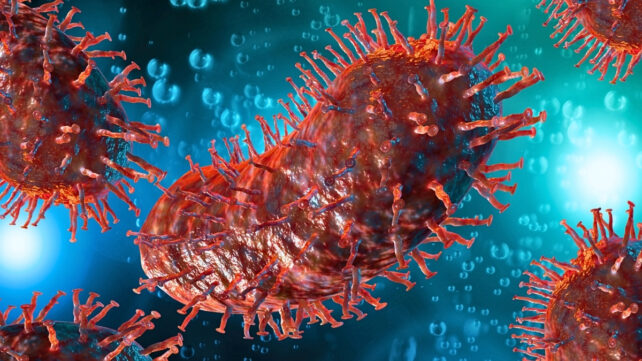
A US man has died of rabies after receiving a kidney transplant from a donor who was unknowingly infected with the virus.
The sequence of events highlights a vulnerability in the current donor system. While the donor's risk assessment interview documented being scratched by a skunk, his symptoms hadn't been recognized as consistent with rabies, so his skunk encounter wasn't raised as a testable rabies risk until after the kidney recipient had died as well.
Read the full story here.
Cats Meow More Than Twice as Much at Men, And We Can Only Guess Why

Cats have been found to meow at male owners twice as much as they do at women – perhaps because men pay them less attention, researchers say.
"It is therefore possible that male caregivers require more explicit vocalizations to notice and respond to the needs of their cats, which in turn reinforces cats' tendency to use more directed and frequent vocal behavior to attract their attention," write the researchers.
Read the full story here.

Laughing Gas Can Offer Immediate Relief From Depression, Study Finds

UK scientists have found that doses of laughing gas (nitrous oxide) can provide quick – albeit short-lived – relief from depression.
The researchers found that administering the gas helped reduce depressive symptoms in as little as two hours. Relief was relatively short-lived, with symptoms returning within the week unless the dose was repeated.
Read the full story here.
Sperm Donor With Rare Cancer-Risk Gene Fathers Nearly 200 Children
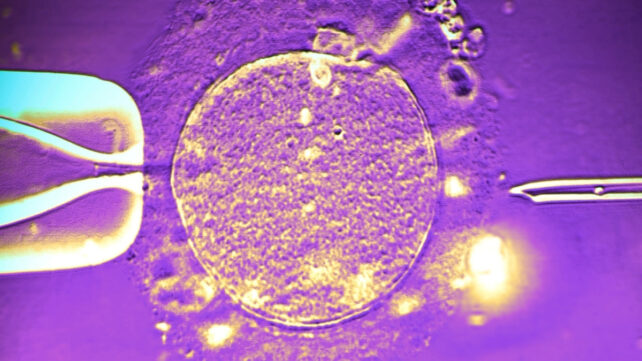
A Danish sperm donor, who fathered at least 197 children, has been found to carry a rare cancer-causing genetic mutation.
"The specific mutation is a rare and previously undescribed TP53 mutation that is only found in a small part of the donor's sperm cells and not in the rest of the body, as the donor himself is not affected," said the European Sperm Bank in a statement.
Read the full story here.
A 180-Year Assumption About Light Was Just Proven Wrong

A 180-year-old assumption about light has been proven wrong. Research shows light's magnetic field plays a role in the 'Faraday effect'.
The calculations suggest that light's magnetic field contributes about 17 percent of the Faraday effect in visible wavelengths and 70 percent in infrared wavelengths – far from insignificant, as previously assumed.
Read the full story here.