This week in science: New evidence suggests Breaking Bad was more accurate than we thought; a bizarre fossil bares the world's oldest butthole; the strange effects alcohol has on the brain; and much more!
Will Exercise Help Your Osteoarthritis? A New Review Has Surprising Findings

Exercise may not be a very helpful treatment for patients with osteoarthritis. A new analysis has found it does little to improve function.
The researchers concluded exercise was less effective at improving pain and function than a total joint replacement in people with knee and hip osteoarthritis.
Read the full story here.
'Freak of Nature': Scientists Think Greenland's Ice Is Churning Like Molten Rock

A new analysis of radar images has revealed plume-like structures in the Greenland ice sheet moving like molten rock beneath Earth's crust.
"Finding that thermal convection can happen within an ice sheet goes slightly against our intuition and expectations. Ice is at least a million times softer than the Earth's mantle, though, so the physics just work out," says glaciologist Robert Law of the University of Bergen in Norway.
"It's like an exciting freak of nature."
Read the full story here.
The 'Breaking Bad' Effect From Cancer Is Real, Study Finds
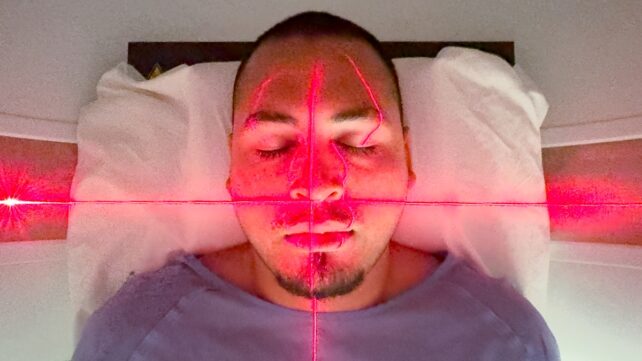
A new study has found evidence for the Breaking Bad effect: After a cancer diagnosis, people are much more likely to be convicted of a crime.
Most cancer patients who experience this effect don't become as ruthless as Walter White, however. According to the study, their convictions tend to reflect offenses such as shoplifting or drug possession.
Read the full story here.
Oldest Fossilized Butthole Found in 290-Million-Year-Old Reptile
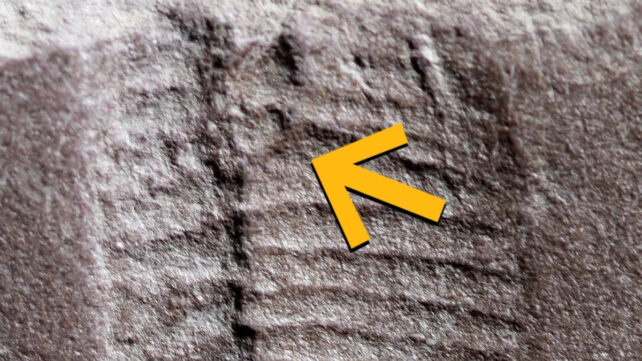
A 290-million-year-old fossil may represent the oldest known butthole. A skin impression left by an ancient reptile contains a cloaca imprint.

"Such soft-tissue structures are extremely rare in the fossil record – and the further back we look in Earth's history, the more exceptional they become," says paleontologist Lorenzo Marchetti of the German Natural History Museum in Berlin.
Read the full story here.
Lithium Plume in Our Atmosphere Traced Back to Returning SpaceX Rocket

Rockets re-entering Earth's atmosphere have been linked to air pollution, with a lithium plume traced back to an old Falcon 9 piece.
This is the first observational evidence that re-entering space debris leaves a detectable, human-caused chemical fingerprint in the upper atmosphere. This was also the first time a pollutant plume from a specific space junk re-entry event has been monitored from the ground.
Read the full story here.
Alcohol Profoundly Changes The Way Your Brain Communicates, Study Finds

MRI scans reveal alcohol can disrupt the brain's network-wide connections – how drunk you feel is linked to how disconnected your brain is.
Overall, brain areas became more insular and less well connected to the rest of the brain, though the effect wasn't consistent over every region. It's a similar idea to traffic circling around one particular neighborhood rather than traveling city-wide.
Read the full story here.