This week in science: fossilized 'mammoth' bones found to be from a completely different animal; NASA returns Space Station astronauts early after a medical issue; a surprising benefit to having red hair; and much more!
'Mammoth' Bones Kept in a Museum For 70 Years Turn Out to Be An Entirely Different Animal

DNA and isotope analyses have revealed that fossils discovered in Alaska in 1951 aren't mammoths, as long assumed: They're whales.
"Although the mysterious radiocarbon dates of these two specimens have been resolved with the finding that the presumed mammoth fossils were in fact whales, an equally puzzling mystery then came into focus," the researchers write.
Read the full story here.
NASA Brings Astronauts Home Early After Unprecedented Medical Issue in Space

NASA has safely returned 4 astronauts from the International Space Station early, after an unspecified medical issue arose.
"The astronaut in question is fine right now, in good spirits and going through the proper medical checks," NASA's new administrator Jared Isaacman said following splashdown.
Read the full story here.
The Pigment in Red Hair Has a Secret Superpower We Never Knew About

Redheads might have a surprising superpower: the pigment pheomelanin reduces excessive cysteine, which can cause oxidative damage to cells.
"These findings represent the first experimental demonstration of a physiological role for pheomelanin, namely avoiding the toxicity of excess cysteine, leading to a better understanding of melanoma risk and the evolution of animal coloration," write the study authors.
Read the full story here.
One Simple Diet Change Helps Older Adults Lose Fat And Boost Metabolism

A study into 'realistic' diets found people lost weight and had better metabolism with one simple change: cutting ultra-processed foods.

Beyond weight loss, they also showed meaningful improvements in insulin sensitivity, healthier cholesterol levels, fewer signs of inflammation, and favorable changes in hormones that help regulate appetite and metabolism.
Read the full story here.
Youngest Person to Be Diagnosed With Dementia in Britain Dies at 24
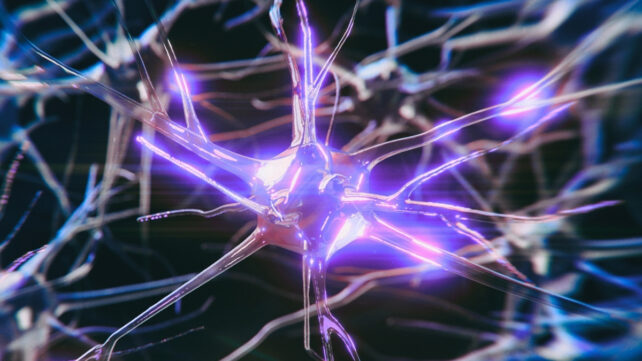
Andre Yarham, Britain's youngest dementia patient, has passed away at the age of just 24 years. His brain resembled that of a 70-year-old.
Yarham's family decided to donate his brain to research. This is an extraordinary gift – one that transforms tragedy into hope for others.
Read the full story here.
The Secret To Preventing Tooth Decay May Already Be In Your Mouth
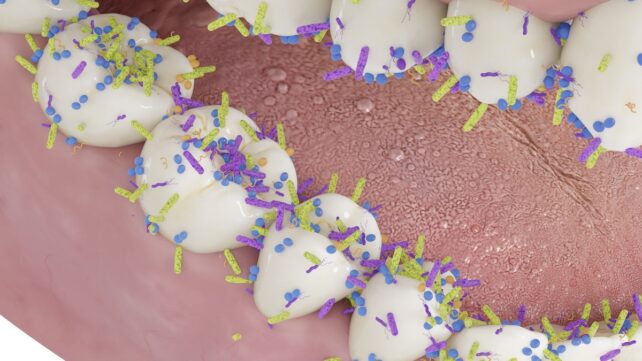
Danish scientists have found that boosting an amino acid called arginine, naturally present in saliva, can prevent tooth decay.
"Our results revealed differences in acidity of the biofilms, with the ones treated with arginine being significantly more protected against acidification caused by sugar metabolism," says Yumi Del Rey, microbiologist at Aarhus University.
Read the full story here.