
High-fat, low-carb ketogenic diets are controversial, but a new study in mice suggests they really may work to improve health in some special cases – especially when combined with exercise.
The researchers behind the study, from institutions across the US, found that when mice with high blood sugar (hyperglycemia) were put on a strict and extreme keto diet, their blood sugar levels returned to normal.
What's more, when these mice exercised after eight weeks on the diet, their activity seemed to boost the diet's effects. The animal's aerobic capacity or VO2peak – how well oxygen is used throughout the body when exercising – increased, and their muscles became more fatigue-resistant and oxygen-rich.
"After one week on the ketogenic diet, their blood sugar was completely normal, as though they didn't have diabetes at all," says physiologist Sarah Lessard, from Virginia Tech Carilion.
"Over time, the diet caused remodeling of the mice's muscles, making them more oxidative and making them react better to aerobic exercise."

These discoveries tie together several previous studies, which prompted the new work. Some of the same researchers had already found that hyperglycemia interfered with muscle changes in exercising mice and blunted their gains in aerobic capacity.
So the researchers wondered if the keto diet, which has been linked to better blood sugar control, might help restore the observed losses in the animals' response to exercise.
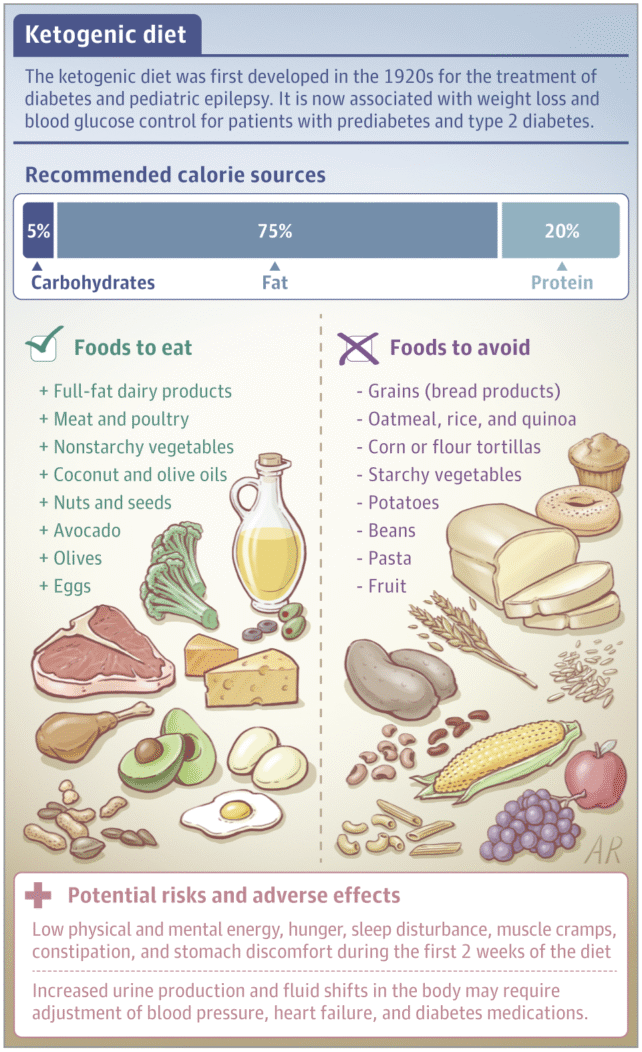
However, this was far from certain. The keto diet is so named because of the way it overloads fats to induce ketosis, a metabolic state in which the body burns fat for fuel instead of sugar, and how this might impact exercise efficiency wasn't clear.
These findings suggest that the diet can indeed reverse both high blood sugar and exercise inefficiencies, with caveats attached: This has only been tested in mice so far, and the exercise improvements weren't seen in animals with normal blood sugar.
Another catch was that the mice who'd had their VO2peak restored didn't show improvements in actual exercise performance – possibly due to a lack of carbohydrates. When carbs were added to the diets of these mice, performance did climb back up.
The researchers were also able to take a closer look at some of the blood vessel and muscle signaling brought on by ketosis, suggesting that the metabolic state is playing an active rather than a passive role here.
"What we're really finding from this study and from our other studies is that diet and exercise aren't simply working in isolation," says Lessard.
"There are a lot of combined effects, and so we can get the most benefits from exercise if we eat a healthy diet at the same time."

Earlier studies have shown that for people with diabetes, keeping aerobic capacity high can reduce the risk of further health complications, and these findings point towards another option for minimizing those risks.
For anyone with high blood sugar, meanwhile, the implication is that different approaches to diet and exercise might be needed to maintain health and aerobic performance. This is something that future studies could look into.
Trials in humans rather than mice are already planned, which will provide more relevant data. While animal studies can be useful, they don't always tell the whole story. The keto diet given to the animals in this study was a very extreme version, for example.
Related: Keto Diet May Slow Down Alzheimer's, Mouse Study Reveals
It's also important not to take this as a one-size-fits-all approach that will work for everyone. The researchers point out that the keto diet is one of the most difficult to stick to, and that alternatives such as the Mediterranean diet might be a better fit for people wanting to lower their blood sugar.
"Our previous studies have shown that any strategy you and your doctor have arrived at to reduce your blood sugar could work," says Lessard.
The research has been published in Nature Communications.