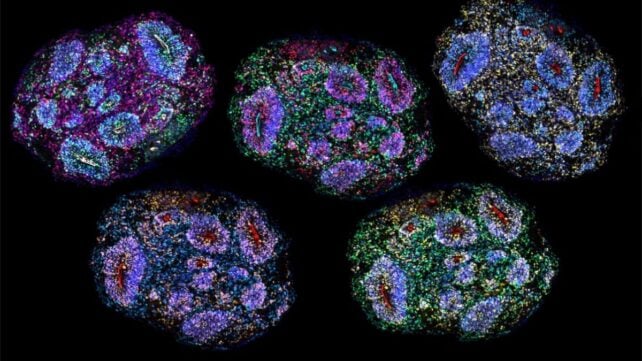
Our brains comprise 86 billion neurons and the trillions of connections between them, whipping up an orchestrated storm of electricity and chemicals that pulse within a 3-pound lump of jellified fat, protein, and water.
The intricate biological machine that defines us humans requires about 20 years to mature, a much lengthier developmental period than in most other species.
This, along with the added inconvenience that it's locked within our craniums, makes our developing brains experimentally inaccessible.
So, scientists are building brains in the lab, no big deal.
In a breakthrough described in the journal Nature, researchers have created miniature brains, called organoids, that can 'sense' the passage of time and retain a cellular 'memory' of how long they have already spent developing.
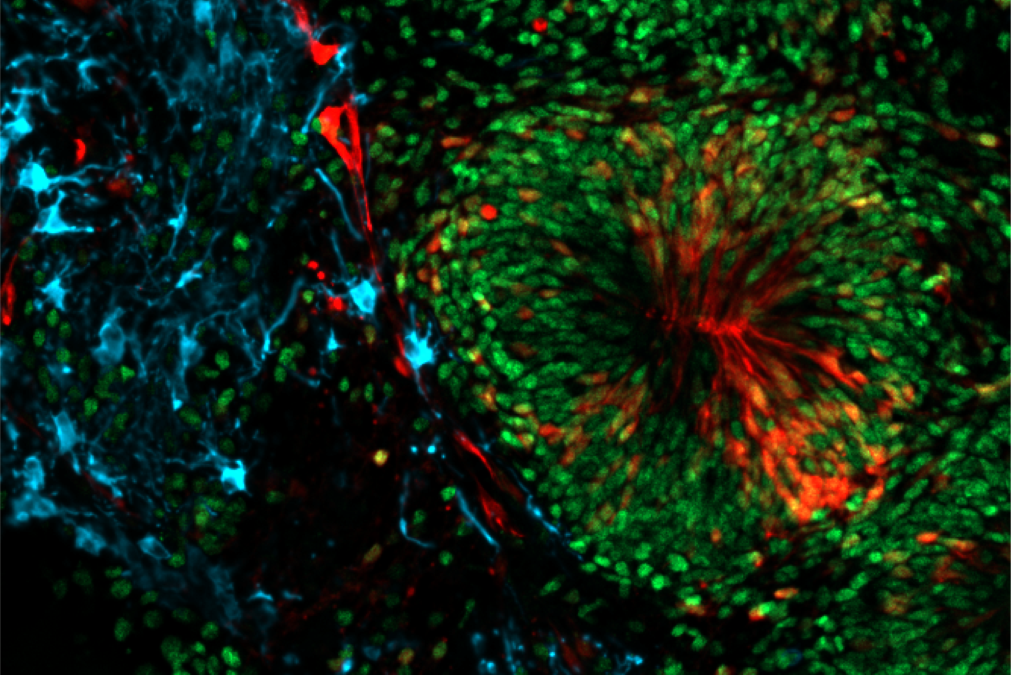
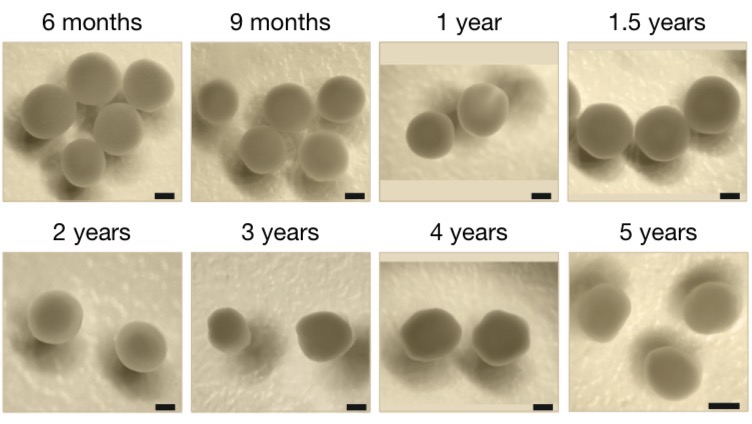
These stem-cell-derived collections of brain cells are also the longest-lived organoids observed to date, observed over nearly six years. This span is unprecedented, as many previous organoid experiments were limited to a few weeks or months.
"The work demonstrates that a diversity of cells in organoids can develop over considerable time periods and are capable of both recording and recalling their developmental age," the researchers explain.
"These systems provide a wealth of data on largely inscrutable periods of postnatal development of the human brain."
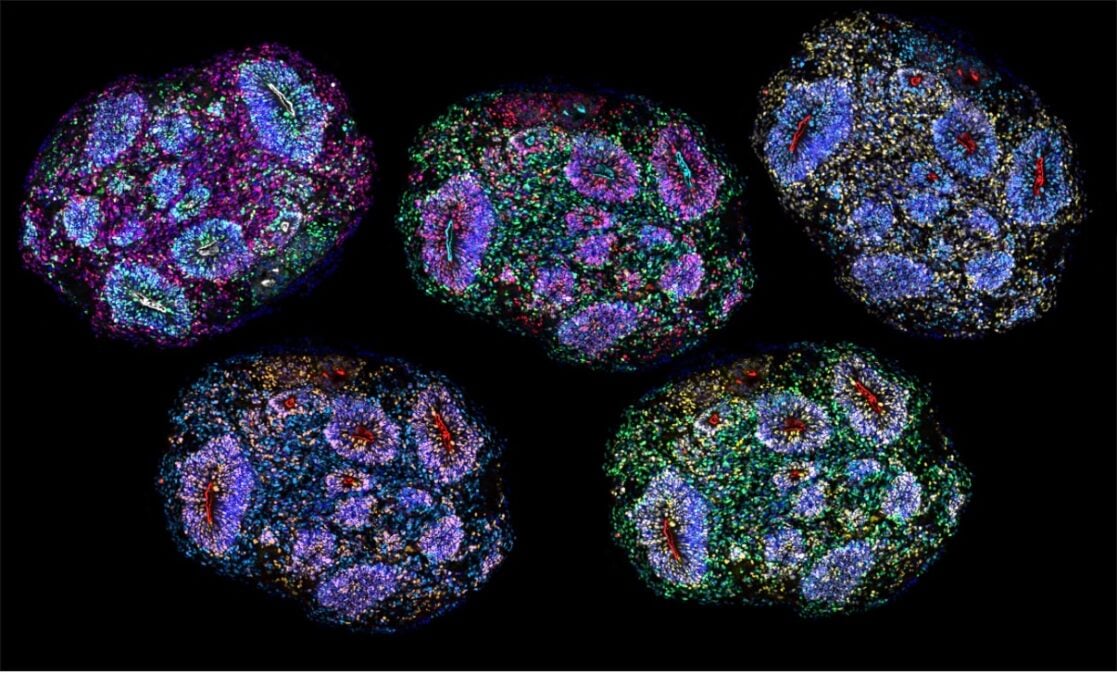
Scientists have built brain-like organoids before, even ones that sprouted rudimentary eyes complete with signal-sharing brain fibers.
Yet this new work marks at least two vital steps forward: in longevity and function.
The researchers used various genetic, imaging, and electrophysiological measurements to study the maturation of tens of organoids. Crucially, they utilized DNA markers as 'epigenetic clocks' to demonstrate that their culture-grown specimens matured similarly to real brains.
Still, not all cell types are equally likely to survive in organoids. But most broad cell types exhibited continued molecular maturation throughout the experiment, offering concordance between in vitro and in vivo brain maturation processes.
This included the emergence of cells such as the star-shaped astrocytes that help support and maintain the blood-brain barrier, as well as the oligodendrocytes that create the fatty myelin sheath that insulates nerve fibers.
And although researchers detected a progressive decline in the essential-yet-fragile neurons that power major brain functions, they showed that populations of these cells can survive in culture for close to six years.
Importantly, they also demonstrated how to help preserve neurons: by keeping them spontaneously firing, somewhat akin to performing periodic biceps curls to stave off upper-arm flabbiness.
This neural exercise regimen is supported by a specialized culture medium that more closely mimics the central nervous system's chemical environment.
Perhaps most interestingly, brain cells seem to record the passage of time through "a cell-intrinsic clock that sets the pace of brain development, although its molecular mechanisms and functional significance remain to be elucidated," the researchers write.

To test this, they split organoids of different ages into their constituent cells. Then they reassembled them into "chimeroids," like tiny Frankensteinian entities cobbled together from a mix of individual components of different ages.
These chimeroids displayed a cellular memory of their previous developmental age even though they had been disassembled and then re-aggregated.
For example, a chimeroid made from old cells produced age-appropriate progeny (new cells) like astroglia, even though it had only been matured for 15 days after reassembly.
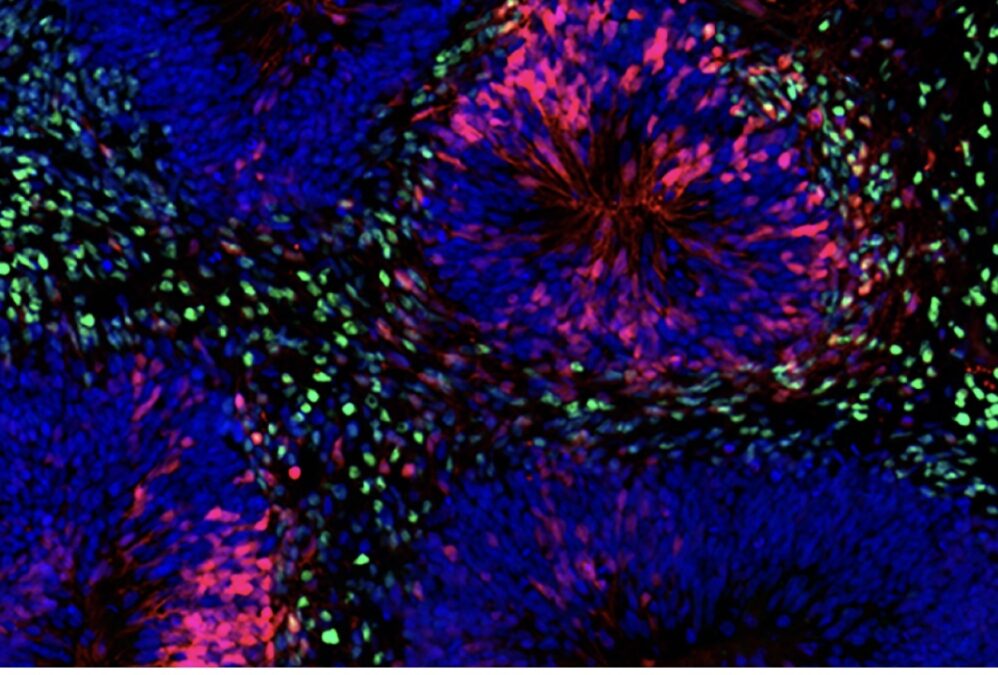
Additionally, when mixed with younger cells, the chimeroids shifted toward somewhat younger molecular states – but still retained evidence of their previous developmental history.
So, when older progenitors were made of reassembled old cells, they 'remembered' the period they spent in culture and skipped the steps they had already performed, producing in two weeks the progeny that would otherwise take two months.
Finally, by showing that organoids can be maintained for such long periods, the researchers provide a way to model selected molecular, structural, and functional features of postnatal human brain-cell maturation.
Related: Acupuncture Seems to Rewire The Brain in Depression, Scans Reveal
"Together, organoids cultured over extended timelines and the multimodal wealth of data produced from them represent both a powerful experimental system," the researchers conclude, "and the information to fuel understanding of the largely unexplored mechanisms governing human brain neoteny, maturation and evolution."
This research was published in Nature.
This article was fact-checked by Rachel Garner and edited by Rebecca Dyer. While we pride ourselves on our process, we are only human. If you spot a mistake, please let us know.