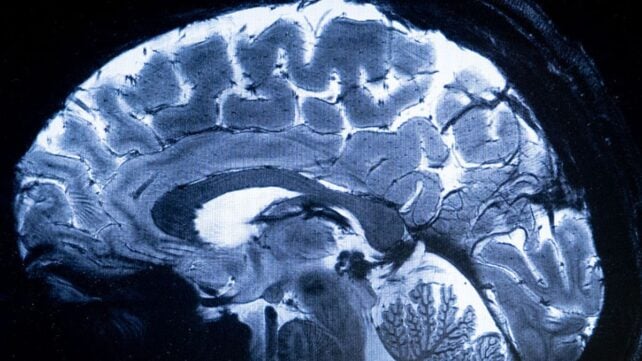
The aging human brain is fascinating, because in some ways, it improves with age – but we generally hear more about how it declines. That's understandable!
After all, there are a host of neurodegenerative diseases that none of us want to end up with.
Previous research has shown that some of the seemingly inevitable declines in brain health, often seen in 70- and 80-year old brains, start in midlife.
It's known that decline is driven by genetic factors, which drive the cells to increase inflammation and reduce synaptic functioning (how the brain moves information around itself).
According to a comprehensive new study, those genetic changes alter the very architecture of the brain's immune cell landscape, changing from one cell type to another.
Using an unprecedented combination of genetic, epigenetic, and three-dimensional genome mapping, researchers analyzed nearly 320,000 cells from the hippocampus – the brain region critical for memory, learning, and navigation – taken from 40 healthy people aged 20 to 95.
The work reveals that aging isn't simply a matter of genes becoming more or less active. Instead, it involves coordinated changes in the molecular systems that control those genes.
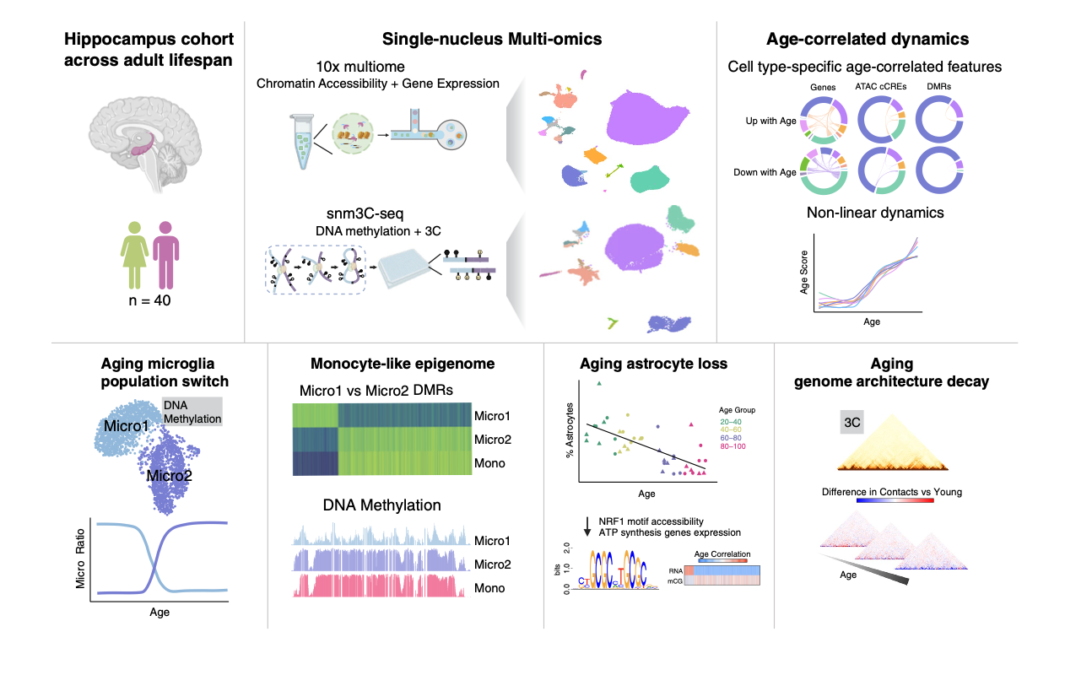
One of the study's most interesting discoveries centers on microglia, the brain's resident immune cells.
For decades, scientists have believed these cells originate before birth from the embryonic yolk sac and then largely maintain themselves throughout life.
But the new evidence suggests that sometime between ages 50 and 75, many of these original microglia are replaced by monocytes – cells that appear to have originated in the bloodstream.
(Monocytes are a type of large white blood cell that typically clears out debris and protects against germs.)
The researchers couldn't directly prove these newcomers came from bone marrow, as monocytes typically do, but their DNA methylation – the chemical marks that preserve a cell's developmental 'memory' – looked remarkably similar to regular blood monocytes and very different from the original embryonic microglia.
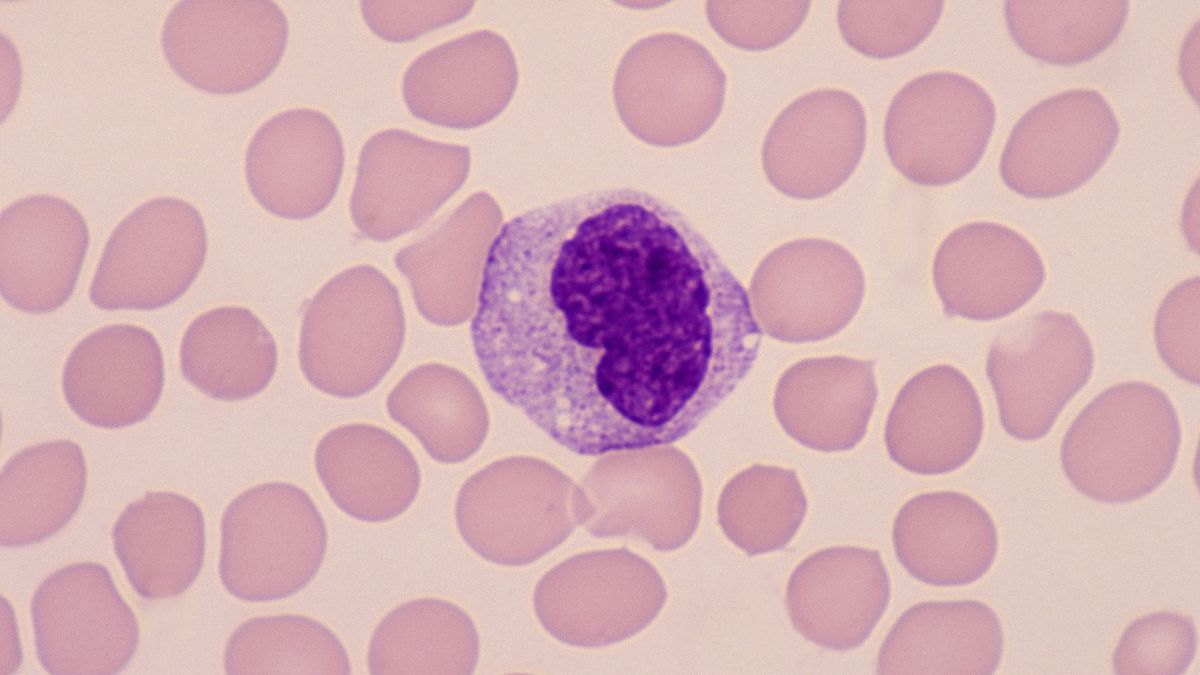
By age 80, these monocyte-like cells had become the dominant population in most brains examined.
Importantly, these replacement cells carry stronger inflammatory signatures, potentially helping explain why chronic brain inflammation becomes increasingly common with age and is linked to disorders such as Alzheimer's disease.
Another striking finding from the research study involved astrocytes, the star-shaped support cells that nourish neurons, regulate neurotransmitters and help maintain the blood-brain barrier.
Their numbers steadily declined with age in the hippocampus – an unexpected result.
The surviving astrocytes also appeared to be struggling. Genes involved in producing ATP – the cell's primary energy source – became less active, while genes involved in cellular recycling became more active.

Together, the findings suggest aging astrocytes may face an "energy crisis" that contributes to their disappearance.
The researchers also found evidence that aging affects the genome's physical organization itself.
Inside the cell nuclei, DNA folds into an intricate three-dimensional structure that helps determine which genes can interact.
Across nearly every cell type examined, this organization gradually broke down with age.
Chromosomal neighborhoods became less distinct, and the proteins responsible for maintaining this architecture appeared to bind DNA less effectively.
Put all these changes together, and it's clear that these "progressive structural disruptions were closely linked to shifts in gene regulation and cell identity, potentially revealing a fundamental feature of aging in the human brain," Bing Ren, a corresponding author of the study and geneticist at Columbia University, said in a release.
Many of these changes didn't occur gradually. Instead, the researchers identified a clear tipping point around age 50, when gene activity and epigenetic markers began shifting more dramatically.
Similar midlife inflection points have recently been reported in other organs, supporting the idea that biological aging may accelerate in distinct phases rather than following a smooth decline.

The researchers also looked for differences between men and women.
Although the overall patterns of aging were somewhat similar, molecular changes tended to correlate more strongly with age in men across most cell types.
The study wasn't designed to explain why they occur, but the findings hint that the aging hippocampus may follow different aging trajectories in males and females.
Because researchers have to deal with reality (such as research timelines in the months or years, not lifetimes) – not ideal circumstances – they weren't able to measure the brains of the same people at different life stages.
They analyzed postmortem brain tissue, providing snapshots from different people, who obviously lived different lives and had different genes.
Still, by combining ways of analyzing and understanding brain aging, this study raises the possibility that our brains undergo far more cellular remodeling during aging than previously imagined.
Related: Humans Age Faster at 2 Sharp Peaks, Research Shows
What does this mean, and how can we change that process so we can all maintain our brain health until the end?
That's the point of this work: "Understanding these cellular transitions may provide new opportunities to develop interventions that preserve brain function and reduce vulnerability to neurodegenerative disease," neuroscientist and study author Xiangmin Xu, of UC Irvine, said in a release.
The findings have been reported in Science.
This article was fact-checked by Fiona MacDonald and edited by Rebecca Dyer. While we pride ourselves on our process, we are only human. If you spot a mistake, please let us know.