As scientists look for ways to tackle the global obesity crisis, research has established that once the obesity stage is reached, it can be very difficult for many people to find weight loss methods that work long-term.
What's not as clear is exactly why, though it seems obesity leaves some kind of imprint on our bodies that persists even if we start losing weight. A study published earlier this year showed one way that our immune cells carry 'memories' of obesity around with them.
Now a new study published in Science Translational Medicine describes a separate impact that obesity has on a different set of immune cells, located right inside fat tissue – and apparently leading to permanent biological changes that directly interfere with fat loss.
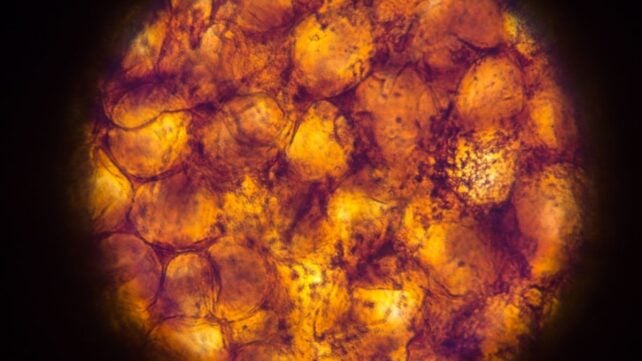
The study researchers, from institutions across Japan, analyzed adipose tissue macrophages (ATMs) in mice. These ATMs are the most abundant immune cells in fat tissue, charged with managing fat levels and inflammation, fighting infection, and clearing away dead and damaged cells – a process called efferocytosis (which we'll come back to).

During experiments on mice bred to gain and then lose weight, the study team found permanent changes in the ATM cells of the animals relating to mRNA splicing, the editing process that controls how genetic instructions are compiled to make proteins.
"These findings suggest that the alternative splicing landscape can be retained in macrophages as an 'obesity memory', shaping their phenotypic outcomes," write the researchers in their published paper.
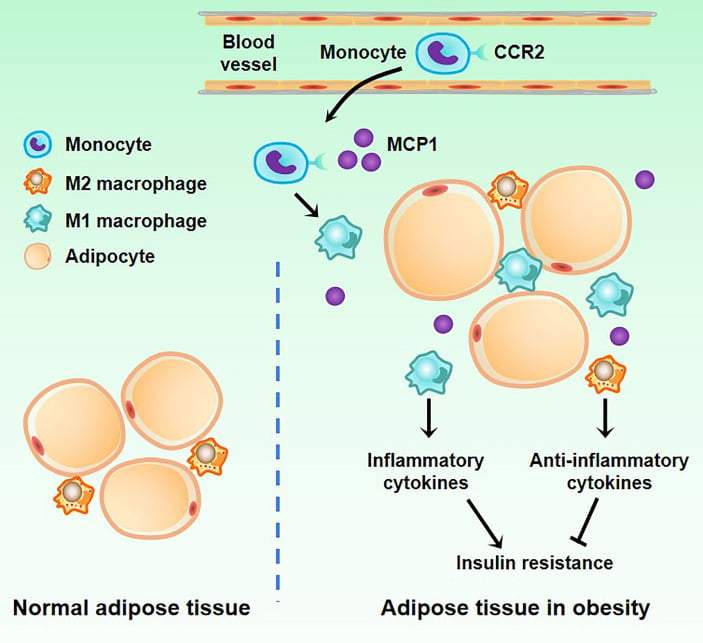
The study findings involve a fair bit of biological jargon, but the main gist isn't too hard to grasp once you know what the letters and numbers mean. Initially, the researchers noticed that the mice that lost the least weight had less of the protein CWC22 in the nucleus of their ATM cells.
Further experiments demonstrated that the stress caused by mouse obesity reduced CWC22, preventing the protein from doing its normal job as a key splicing editor. What's more, over half of the genes in the ATM cells remained altered even after the mice started losing weight.
"Multiomics and gene-targeting approaches revealed that 51.9 percent of the obesity-induced differentially spliced genes in ATMs remained altered after weight loss, identifying persistent splicing alterations as a prominent component of obesity memory, with one-quarter of these changes dependent on CWC22," write the researchers.
That makes changes caused by less CWC22 a key part of the obesity 'memory' in these cells. The researchers went on to establish that the faulty splicing affected a gene called Scarb1, which in turn reduced efferocytosis effectiveness – the waste clearance system mentioned earlier.
A greater build-up of dead and dying cells led to a reduction in inosine, the researchers found. This molecule helps stimulate lipolysis, or the breakdown of stored fat, which brings us all the way back to weight loss.
Diving down to such an impressive level of cellular detail makes the study a little harder to get your head around, but means that we have a much better understanding of what's happening here – and how it might eventually be treated.
"These findings reveal that aberrant alternative splicing in macrophages underlies resistance to postobesity weight loss and suggest that splicing-targeted therapies may counteract obesity memory," write the researchers.

Any therapies are still a long way off, and this study looked mainly at mice (though some findings were confirmed in human cells). However, it's important extra information on top of what we already know about cells that remember obesity.
It's becoming clear that these 'memories' take different forms in different types of cells, and put up barriers against recovering from obesity – and the more scientists know about those barriers, the closer they'll get to finding ways around them.
"Obesity constitutes a profound global health crisis, marked by a rapid increase in its prevalence, and is linked to diminished life expectancy and substantial socioeconomic burdens," write the researchers.
Related: New Daily Steps Goal Shows You Don't Need 10,000 to Keep The Weight Off
"Effective treatments for obesity include pharmacological therapies and bariatric surgery, in addition to lifestyle modification; however, sustained weight loss remains difficult to achieve, highlighting the need for additional therapeutic strategies."
The research has been published in Science Translational Medicine.
This article was fact-checked by Fiona MacDonald and edited by Fiona MacDonald. While we pride ourselves on our process, we are only human. If you spot a mistake, please let us know.