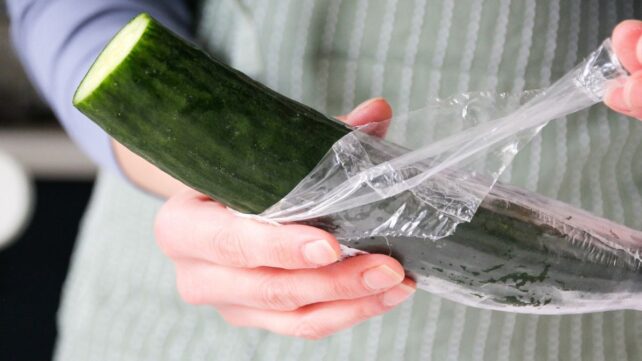
Plastic is virtually unavoidable in 2026, but there may be ways to reduce your exposure to some of its associated chemicals.
Two of the best places to start may be in the grocery store and the kitchen.
A randomized controlled trial involving 60 participants in Australia has found that using plastic-free kitchenware and buying food with minimal plastic contact may change what chemicals the body is exposed to.
After seven days of this particular, low-plastic intervention, the urine levels of three plastic-associated chemicals were up to 60 percent lower than in the control group.
The findings are published in Nature Medicine.
"Our results showed strictly adhering to a diet of food which has not touched plastic, whether that is during production or packaging, can reduce plastic chemicals in our body in as little as a week," says principal investigator and senior author Michaela Lucas, a clinical immunologist at the University of Western Australia.
"If this also carries major health benefits is something that's currently under further investigation."
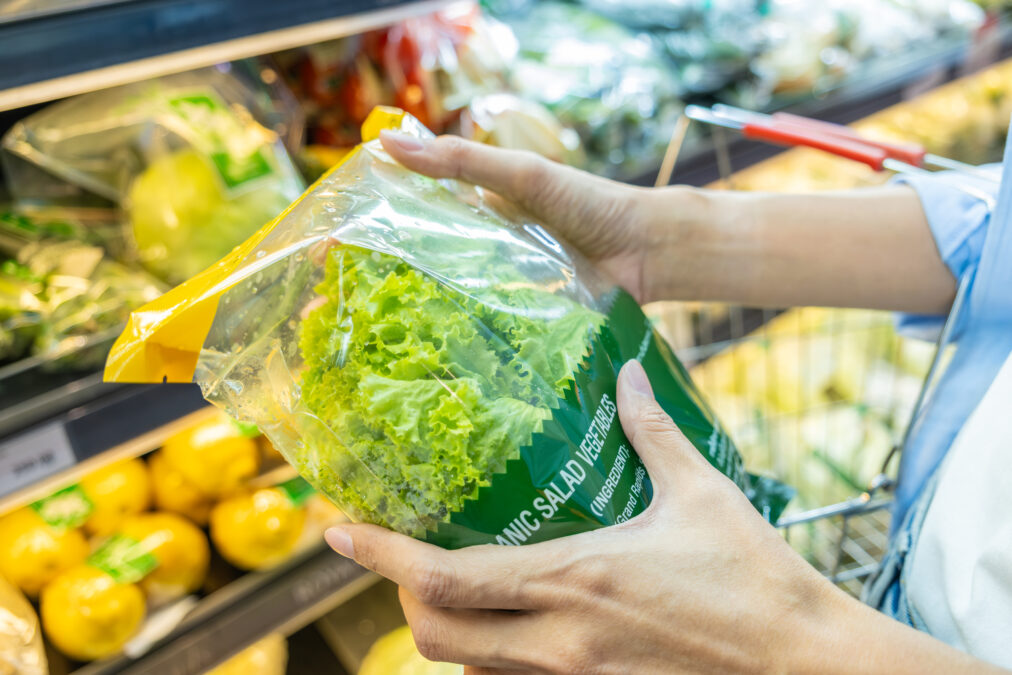
Today, more than 16,000 chemicals are used to manufacture plastics, and some are known to be hormone disruptors in the human body with potentially hazardous effects.
In their study, Lucas and her colleagues examined two major types in particular: phthalates and bisphenols (BPA and BPS).
Phthalates are plasticizers that can migrate into our food from plastic packaging, plates, or utensils.
Bisphenols migrate into our food from the coating inside cans, as well as from food containers, cooking utensils, drink bottles, water pipes, and cling film.
"To date, little is known about the causal health effects of BPS; however, its use in certain food-contact materials has been regulated in the European Union," explain Lucas and her colleagues in the paper.
First, the research team considered the plastic exposure of 211 participants, and they found ubiquitous exposure to plastic-associated chemicals.
A hundred percent of participants excreted at least six plastic chemical metabolites on any given day.
Processed and packaged foods seemed to be important contributors.
Participants who had the lowest relative levels of plastic-associated chemicals rarely consumed fast food, highly processed foods, foods in plastic packaging, or microwaved foods in plastic.
To find out more, the research team ran a randomized trial involving 60 of the participants.
They wanted to determine if eating only foods that had been processed, stored, prepared, and consumed in glass, steel, or wood could reduce phthalate and bisphenol levels in the urine.
And in some cases, the trick worked. Not every chemical responded in the trial as scientists had hoped, but a few key ones did.
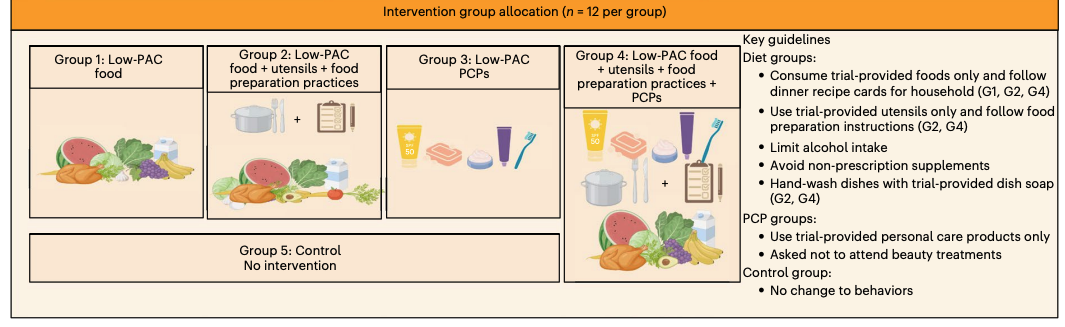
In the seven-day experiment, participants were either randomized to the control group or to one of four intervention groups.
These interventions included eating food produced, processed, packaged, and delivered with as little plastic contact as possible; eating low-plastic food without using plastic cooking equipment or utensils; using only low-plastic personal care products, such as shampoo; and a final combo of all three interventions.
Co-first author Amelia Harray says the team went to great lengths to minimize plastic exposure.
"Our dietitians worked with over 100 farmers and food producers to educate and transform their food handling processes and packaging to reduce plastic exposure from paddock to plate," Harray explains.
"Participants had access to any type of food they would usually consume – pasta, salads, meats, butter, chocolate, fruit, and snacks – which allowed energy intake to remain the same."
In the end, their rigor paid off.
While changes to personal care products had the least impact on plastic-associated chemicals in urine, a strict adherence to low-plastic foods had the best outcomes.
In the group given low-plastic food and kitchenware, mono-n-butyl phthalate levels were 38 percent lower, monobenzyl phthalate levels were 54 percent lower, and bisphenol A levels were 60 percent lower than the control group.
"By delivering participants low-plastic food and providing them with plastic-free kitchenware, such as stainless-steel pots, pans, kettles, toasters and wooden chopping boards, we showed that changing what you eat and how you prepare food could reduce plastic chemicals in the body," says Harray.

Both phthalates and bisphenols have short half-lives and are expected to be rapidly cleared from the body.
No one yet knows exactly what these chemicals may be doing to our long-term health.
But numerous epidemiological studies have found associations between these pollutants and health issues like cardiovascular disease, metabolic syndrome, and infertility.
Related: There's a Surprisingly Simple Way to Remove Microplastics in Drinking Water
Unfortunately, at this point we don't yet know what a 'safe' level of plastic in the body is.
If a health burden exists, however, it will likely increase over time unless we intervene. Plastic from the past is not going anywhere anytime soon, and plastic production is still on the rise to this day.
"This trial has delivered a message of hope that we can actively reduce plastic chemical levels in our bodies but is linked to significant changes in the way we produce and package our food," says Lucas.
It will take an effort, but the payoff may be worth it.
The findings are published in Nature Medicine.
This article was fact-checked by Michael Irving and edited by Michael Irving. While we pride ourselves on our process, we are only human. If you spot a mistake, please let us know.