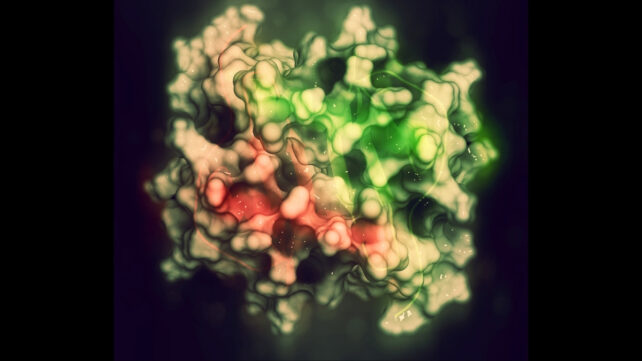
A protein that helps keep inflammation in check may one day point researchers toward new ways to ease frailty and bone loss associated with aging, though the evidence so far comes from mice.
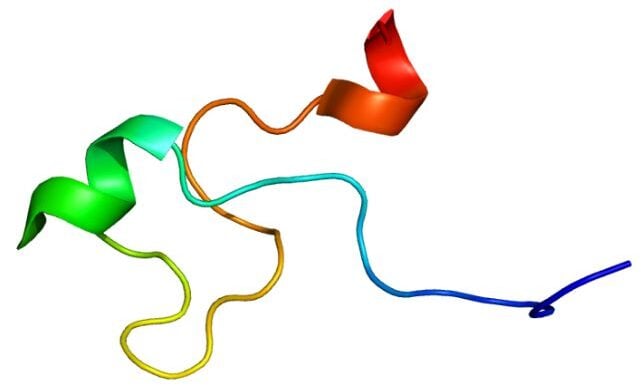
In a study led by researchers at the University at Buffalo in New York, scientists identified the protein tristetraprolin (TTP) as a potential target for reducing some adverse effects of aging.
Boosting TTP in aging mice resulted in "better grip strength, better walking, endurance, and overall physical performance," explains biologist Keith Kirkwood of the University at Buffalo.
The findings are not a treatment, and they are nowhere near human trials.
But they add to growing evidence of chronic inflammation's involvement in how the body declines with age.
"These findings position TTP as a promising target for addressing frailty and inflammation associated with aging, paving the way for broader therapeutic exploration," the study authors write in their published paper.
Almost one-quarter of Americans will be 65 or older by 2050, an increase of more than 40 percent, from 58 million in 2022 to 82 million.
Many people are expected to live into their 90s and beyond.
Lower fertility rates, medical advances, and longer lifespans are among the factors driving a national and global rise in average and median age.
Longevity may sound appealing.
But can healthcare keep up with aging populations and help people preserve strength, mobility, and independence in those later years?
One challenge is managing 'inflammaging', the chronic, low-grade inflammation that tends to increase with age.
"These age-related changes, known as immunosenescence, lead to a decline in immune resilience and an increased susceptibility to age-related chronic inflammatory diseases," Kirkwood explains.
Using a mouse model, the researchers found that TTP is involved in multiple protective effects, including the suppression of numerous cytokines.
Cytokines are signaling proteins that help direct the immune response, but when they remain too active for too long, they can contribute to chronic inflammation.

TTP is expressed in various cells, including skin, muscle, neural tissue, and the fibrous connective tissues that bind our bodies together.
Previous work suggests TTP levels decline with age, especially in the immune system.
To test what might happen if it remained more stable during aging, the researchers used a mouse line with a genetic deletion that stabilized TTP and increased its expression.
By improving TTP expression in older, 22-month-old male and female mice, they reduced frailty and improved measures of functional health.
The TTP-stabilized mice displayed better physical fitness across several domains. They exhibited higher grip strength, faster walking speed, greater treadmill endurance, and increased physical activity habits.
These results were more pronounced in male mice, and some measures, such as grip strength and treadmill endurance, were similar to those of much younger, 6-month-old mice.
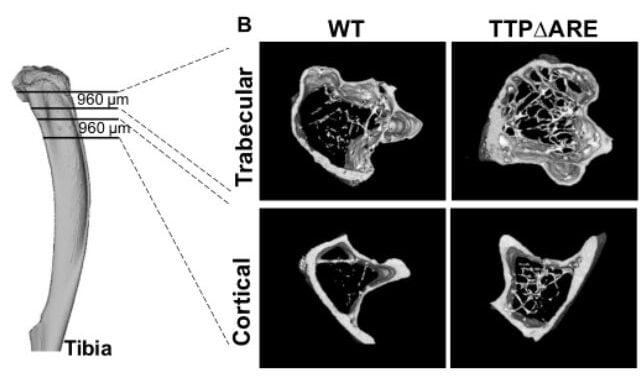
Compared to controls, the TTP mice had greater bone mineral density and thickness, indicating stronger skeletal microarchitecture.
"They exhibited a more youthful-looking immune profile," says Kirkwood.
Some of these fitness improvements and bone benefits were limited to males.
The researchers suspect that the discrepancy may be partially due to female mice's declining estrogen levels, as this essential hormone protects musculoskeletal and neural tissues and also influences cytokine signaling.
Human clinical trials are far off the horizon, though. Drug screening to boost TTP has also fallen short.
In the near future, the researchers plan to study how TTP affects age-related brain inflammation associated with neurodegenerative diseases such as Alzheimer's.
The technique used to stabilize TTP in mice cannot be directly translated to human applications, but the researchers propose that certain pharmacological methods could exert a similar effect.

These methods include the use of small-molecule gene inducers, which act as on-off switches to toggle gene expression.
Alternatively, phosphorylation modifiers can be used to modify phosphate groups on proteins, thereby altering their shape and function.
"I'm optimistic about where this research could lead and what we may learn as studies continue over time," Kirkwood says.
Overall, this is an intriguing addition to the suite of anti-aging methods in development.
Related: One Sign of Aging Could Be a Powerful Predictor of Death if You Don't Act
Since advanced age is associated with increased inflammation and reduced immunity, new therapies are vital for treating various chronic conditions linked to these factors, such as arthritis.
Additionally, among older individuals in the US who do not reside in nursing homes, the prevalence of frailty is 15 percent.
"Understanding the mechanisms connecting inflammaging, immune system alterations, bone health and frailty is essential for developing targeted interventions to improve the quality of life in aging populations," Kirkwood concludes.
This research was published in Aging and Disease.