
You've probably heard that taking a full course of antibiotics is essential for clearing bacterial infections and preventing antibiotic resistance.
That advice has been around ever since the discovery of penicillin in the 1940s.
But mounting evidence suggests that for certain common bacterial infections, shorter antibiotic durations may actually be a better approach.
There is no one-size-fits-all prescription for antibiotics; nuanced communication between patient and doctor is essential.
But a new study from public health experts in the United States, published in Open Forum Infectious Diseases, suggests that nuance is getting lost.
"Historically, there was very strong guidance by major health organizations and clinicians that you must always finish the course," says population health researcher Alistair Thorpe, of the University of Utah.
"Now, we're seeing a growing body of evidence saying that that is not always the case. And oftentimes, shorter durations of antibiotics are as effective and safe as longer alternatives."
But that information has been difficult to get across to patients, who have been hearing for decades that longer courses are required to stamp out bacterial infections, lest the microbes regain a foothold.
In recent decades, however, more than 120 randomized controlled trials have demonstrated that shorter courses of antibiotics for common infections can be just as effective, safer, and no more likely to promote antibiotic resistance than longer courses.
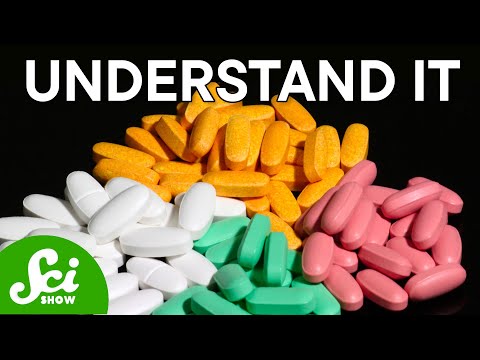
Antibiotic resistance is an urgent, global threat, with drug-resistant bacteria (aka 'superbugs') killing more than 1 million people each year.
Antibiotic use in agriculture has been flagged as a major issue, with contaminated wastewater carrying microbes downstream.
Superbugs also spread quickly in hospitals, and parched soils may be creating breeding grounds for drug-resistant microbes that can sail through the air.
But there's little evidence that failing to complete a prescribed course of antibiotics actually promotes antibiotic resistance.
Some experts even say that unnecessary exposure to antibiotics from excessively lengthy courses could be contributing to the problem.
In cases of pneumonia, for instance, shorter antibiotic courses appear effective in reducing infection recurrence and the spread of antibiotic resistance.
"Developing effective strategies for communicating updated guidance on antibiotic use requires understanding how patients' beliefs and preferences differ from current guidance," Thorpe and his colleagues write.
To better understand those beliefs and preferences, the researchers surveyed 1,475 US respondents, asking them: "Which antibiotic course length would you feel most comfortable taking for a bacterial respiratory infection (eg, pneumonia)?"
The majority of respondents (892) said they preferred a long course of 7 days or more to a short course of just 3-5 days.
"This preference was related to several factors, including having been told by a medical professional to 'always finish a course of antibiotics' and a general belief that longer treatments are inherently better," the researchers note.
"Although very few respondents (17.5 percent) had ever been told to stop taking antibiotics when they feel better, many (58.4 percent) said that they would be at least somewhat comfortable hearing it from their clinician."
That's an important point: stopping your antibiotics earlier than the doctor prescribes is risky business. This is a news article, not medical advice.
The takeaway here is to follow the treatment advised by your prescriber, even if it's shorter than you might have thought necessary.

But that doesn't mean you should make your own call on the duration.
Many serious bacterial infections do require longer courses of antibiotics: for example, tuberculosis and certain staph infections.
"Acknowledging uncertainty and the evolving nature of scientific evidence can foster trust, understanding, and acceptance of changes," the authors suggest.
"Framing updates to antibiotic use as routine scientific progress may help patients adapt to changes."
The good news is that more than 90 percent of respondents trusted their doctor's advice, which the authors say is an encouraging sign, given trends of declining trust in science and healthcare.
Related: Droughts Are The Ideal Breeding Ground For Antibiotic-Resistant Bacteria, Study Warns
"Discuss with your clinician what the right duration is for you and when the right time is to stop your course," Thorpe says.
"Getting advice directly from a clinician on a one-to-one basis about what is most appropriate for you in that situation is the right way to go."
The results were published in Open Forum Infectious Diseases.
This article was fact-checked by Clare Watson and edited by Clare Watson. While we pride ourselves on our process, we are only human. If you spot a mistake, please let us know.