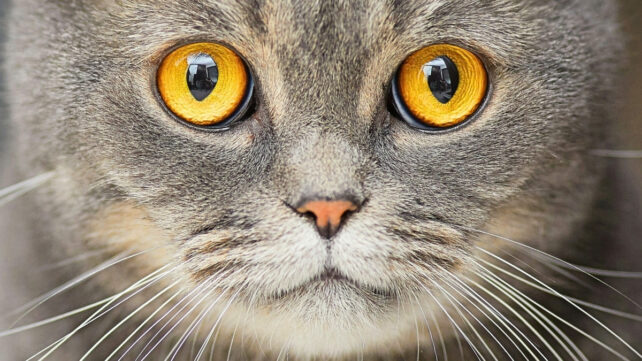
Having a cat as a pet is linked to higher odds of schizophrenia-related conditions, according to a 2023 review of existing research.
That does not mean your cat is secretly impacting your health.
The findings show an association, not cause and effect, and better studies are needed before any firm conclusions can be drawn, the team from the Queensland Centre for Mental Health Research in Australia emphasizes.
The idea that cat ownership may be linked to schizophrenia risk dates back to a 1995 hypothesis that it could involve an infection passed from animals to humans.
Exposure to Toxoplasma gondii, a parasite associated with cats, has been suggested as one possible explanation.
But research so far has delivered mixed conclusions.
In their 2023 review and meta-analysis, psychiatrist John McGrath and colleagues examined studies published over the last 44 years across 11 countries, including the US and the UK.
They found "a significant positive association between broadly defined cat ownership and an increased risk of schizophrenia-related disorders."
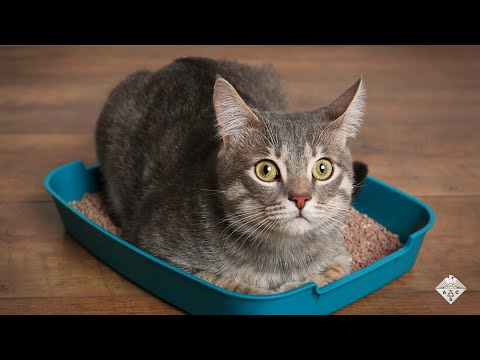
The exact causes of schizophrenia, a brain disorder that affects how a person thinks, feels, and behaves, are varied and complex, and mostly unknown.
A combination of genetic, environmental, and biological changes in the brain appear to play a part.
Studies have found that being around cats during childhood might make a person more likely to develop schizophrenia; however, not all research has found an association.
Some papers also link cat exposure to higher scores on scales that measure traits related to schizophrenia and psychotic-like experiences.
But again, other studies don't show this connection.
McGrath and team wanted to get a clearer picture of whether cats and mental health may be connected.
"After adjusting for covariates, we found that individuals exposed to cats had approximately twice the odds of developing schizophrenia," they write in their published paper.
Among the 17 studies included in the review, one found no significant association between owning a cat before age 13 and later developing schizophrenia.
But the same study did identify a significant link when narrowing down cat ownership to a specific period (ages 9 to 12).
This inconsistency suggests that the critical window for cat exposure is not well defined.
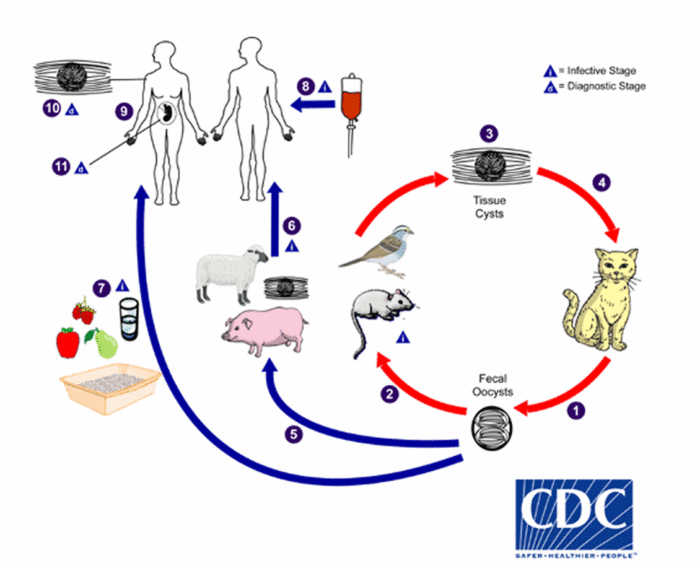
T. gondii is a parasite that can be passed to humans through an infected cat's feces.
It can also be transmitted through undercooked meat or contaminated water.
The CDC estimates that T. gondii infects more than 40 million people in the US, typically without any symptoms.
Researchers are still finding strange effects that infections may have.
Once inside our bodies, T. gondii can persist in the central nervous system and may influence neurotransmitter systems.
The parasite has been linked to personality changes, the emergence of psychotic symptoms, and some brain disorders, including schizophrenia.
However, a link doesn't prove that T. gondii causes these changes, or that the parasite was transmitted to a human from a cat.
Another study included in the review, involving 354 psychology students in the US, found no association between cat ownership and schizotypy scores.
However, those who had received a cat bite had higher scores than those who had not.
Other research, which included people with and without mental disorders, discovered a connection between cat bites and higher scores on tests measuring particular psychological experiences.
The authors of that study suggested other pathogens, such as Pasteurella multocida, may be responsible.

There are important limitations to keep in mind, including that 15 of the 17 papers reviewed were case-control studies.
This kind of research can't show cause and effect, and it often doesn't account for factors that may have affected both the exposure and the outcome.
The researchers also highlight the low quality of several of the studies examined.
Results were inconsistent across studies, but higher-quality studies suggested that associations in unadjusted models might be explained by other factors that could have influenced the results.
Related: Your Cat Can Bring Home More Disease Than You Think. Here's What to Do.
The authors say the field needs better-designed research that can more carefully account for confounding factors.
"Our review provides support for an association between cat ownership and schizophrenia-related disorders," McGrath and colleagues conclude.
"There is a need for more high-quality studies, based on large, representative samples, to better understand cat ownership as a candidate risk-modifying factor for mental disorders."
The research was published in Schizophrenia Bulletin.
An earlier version of this article was published in December 2023.