
A diet designed for weight loss could offer a different bonus benefit, according to a new review.
Researchers from the University of Coimbra in Portugal looked at dozens of previous studies analyzing this diet and its relationship to neurodegenerative diseases, such as Alzheimer's, Parkinson's, and Huntington's disease.
If you're on the ketogenic (or keto) diet, you'll be prioritizing fats and proteins, while cutting down on carbohydrates – and it turns out, at the same time you could be protecting your brain from disease.
The team also looked at research relating to the keto diet more generally, trying to pin down the effects of the high-fat, dairy-rich diet on the body's metabolism – how it stores and uses energy in the form of glucose (sugar).
Problems with processing glucose underpin several brain diseases, and the team concluded that the keto diet has real potential as a way of targeting these conditions.
They also acknowledge there are several challenges with using the diet as a treatment method.
"The ketogenic diet has emerged as a metabolically oriented strategy with potential preventive and therapeutic relevance in neurodegenerative diseases," write the researchers in their published paper.
"While preclinical studies have demonstrated encouraging results, significant gaps remain in understanding long-term effects, safety, and practicality of [the ketogenic diet] in clinical settings."
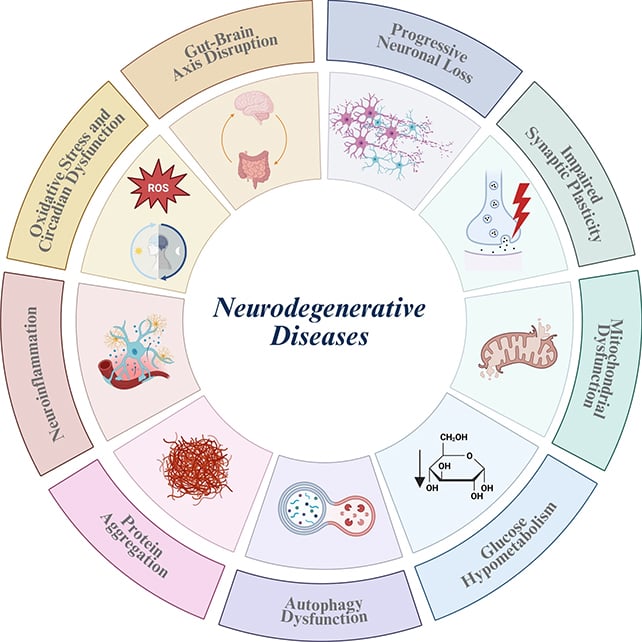
The keto diet works by getting the body to burn fat for energy rather than glucose (which we get mainly from carbohydrates). Biologically, this is known as a metabolic state called ketosis, where fat molecules called ketones are used instead of glucose.
It means weight can rapidly be lost, and the keto diet is actually prescribed for treating epilepsy in some cases.
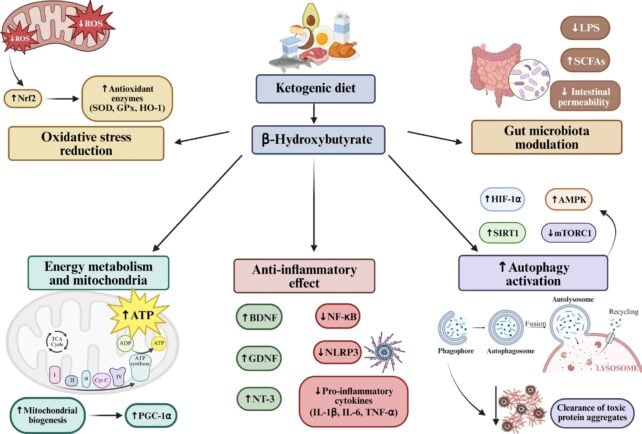
As the researchers here summarize, there are multiple mechanisms through which it might protect against neurodegenerative conditions too.
Brains running on empty could use ketones as an alternative, emergency energy source, for example, as has been demonstrated in studies of Alzheimer's – thus going some way to restoring neuron stability and functionality.

Ketones have also been shown to reduce inflammation in mice models of Parkinson's and multiple sclerosis, boost an important cellular clean-up process called autophagy, and promote gut bacteria associated with better brain function.
Add all of that up, and there's plenty of evidence that the keto diet – and the metabolic changes that it brings about – can target some of the processes thought to contribute to several devastating brain diseases.
"The ketogenic diet may serve as a complementary metabolic intervention that supports disease-specific treatments by enhancing metabolic resilience and contributing to symptom management," write the researchers.
It's not quite as simple as using the keto diet with people at high risk of neurodegenerative problems, however. Most of the reviewed studies involved animals rather than people, so further investigation is required in terms of clinical trials.
The keto diet is also one of the most difficult to stick to, so getting patients to follow it might be a problem. It also tends to come with a variety of unpleasant side effects: it's been linked to constipation, insomnia, and high cholesterol in some people, for instance.
Past studies have found that the keto diet might cause harm in the longer term, and increase the risk of type 2 diabetes and heart disease. These downsides need to be weighed against any benefits that come along with the keto diet.
What this new review does is give us a 'state of play' in terms of scientific understanding right now. The multiple studies that were looked at offer solid evidence that following a keto diet and having better brain health are connected – though their results shouldn't be considered in isolation.
Related: Keto Diet May Have a Surprising Bonus Benefit, Mouse Study Suggests
"This review underscores the potential of [the ketogenic diet] for treating neurodegeneration on the basis of current scientific evidence while highlighting the need for further research to optimize its application and address existing gaps," write the researchers.
The research has been published in Translational Neurodegeneration.