
Staying on top of the health and lifestyle factors associated with dementia is becoming a Sisyphean battle.
In recent years, advances in research have allowed scientists to identify many different aspects of our lives associated with dementia risk in later life.
Some of those are relatively easy to modify, such as brain training, diet, and exercise. Others are a lot harder to control – and a lot harder to link to a simple behavioral change.
Chronic stress, aging, cardiovascular disease, and depression have all individually been linked to a higher dementia risk – and now, a new review of published studies suggests they may be connected by a shared thread.
The common denominator of all these factors, it concludes, is sleep – more specifically, the role sleep may play in helping the brain clear the metabolic waste that accumulates during the waking hours.
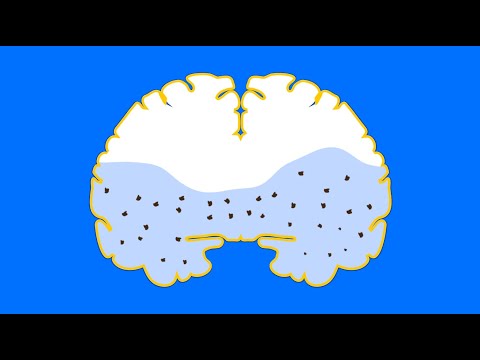
"Many disorders that increase dementia risk also disrupt the brain's sleep rhythms," says neuroscientist Maiken Nedergaard of the University of Rochester in the US.
"Our work suggests these may not be separate phenomena. They may be connected through the brain's ability to clear waste during sleep."
Sleep is one of the big mysteries of animal biology. We know it's incredibly important: When sleep is poor, insufficient, or disrupted, a whole host of things will start going wrong.
Recent studies have also found that it may be crucial for body maintenance. A 2020 study, for example, found that fatal sleep deprivation in flies was linked to damage not in the brain, but in the gut – suggesting that without sleep, metabolic wear-and-tear can accumulate faster than the body can repair it.
Over a decade ago, in 2012, Nedergaard's lab made a discovery that transformed neuroscience: the glymphatic system and its functions.
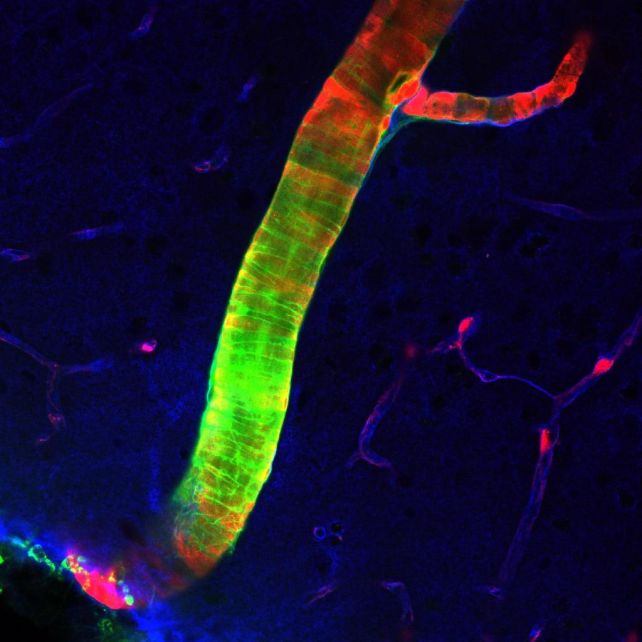
First identified in mice, and later in humans, this paravascular network is thought to help circulate cerebrospinal fluid through the brain.
It may play an important role in removing metabolic waste products. Some scientists have also proposed that the glymphatic system may help flush out proteins associated with Alzheimer's and Parkinson's diseases.
Some studies suggest that the glymphatic system is more active during sleep, although one notable 2024 study in mice found the opposite to be true – raising questions about the link between sleep and brain cleaning, and how sleep may influence dementia risk.
Nedergaard's review suggests that the picture may be more complicated, and that the quality of sleep is integral to glymphatic function.

"Sleep is not a quiet or inactive state," Nedergaard says.
"During sleep, the brain shifts into a coordinated rhythm that appears to support one of its most important housekeeping functions."
She focuses on a group of neuromodulators – brain chemicals such as norepinephrine, serotonin, dopamine, and acetylcholine that help regulate things like sleep, mood, motivation, and attention.
Several recent studies have found that, during non-REM sleep, these chemicals pulse together in synchrony, ebbing and flowing about once every 50 seconds.
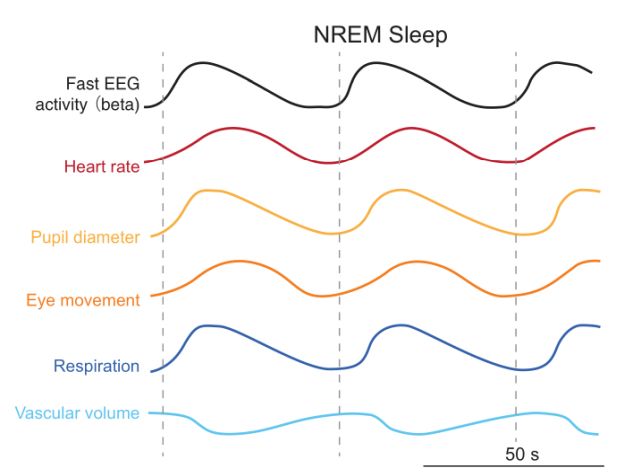
That matters because these same chemicals can also affect blood vessels.
Nedergaard argues that, in healthy sleep, this rhythm may help blood vessels gently expand and contract, creating waves that help move cerebrospinal fluid through the brain.
In disrupted or drug-induced sleep, that rhythm may be weakened or thrown off, potentially reducing the brain's ability to clear waste.

That means chronic stress, mental illness, cardiovascular disease, and even age-related sleep changes could all interfere with the same overnight maintenance system.
Related: Scientists Reveal The Optimal Amount of Sleep to Lower Dementia Risk
"For decades, we thought about sleep primarily in terms of memory and restoration," Nedergaard says.
"What is emerging now is the idea that sleep is also a highly organized fluid-transport state that helps maintain brain health."
Because we understand so little about the biological reasons for sleep, it's difficult to establish whether it has a causal relationship with dementia.
This review still does not answer that question, but it does suggest that the link between sleep and overall health is inextricable – and that getting to the bottom of it may be crucial to understanding a wide range of health problems, not just those that affect the brain.
The review has been published in Science.