Science is one step closer to cracking the code of longevity thanks to a new study that identified dozens of proteins linked with slower aging in the blood of centenarians.
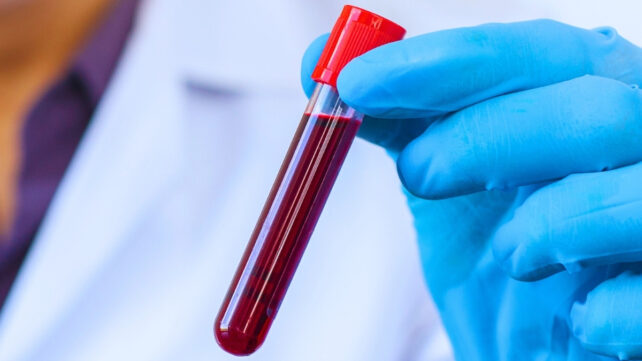
Scientists in Switzerland collected and compared blood samples from healthy younger individuals aged 30 to 60, hospitalized octogenarians aged 80 to 90, and centenarians aged 100 years and older, assessing how the expression of plasma proteins evolves and affects metabolism, immunity, and overall lifespan.
Of the more than 700 proteins measured, 37 formed a profile that was "closer to those of the youngest group than to those of octogenarians," says Flavien Delhaes, cell physiologist at the University of Geneva and the study's first author.
"This represents approximately 5 percent of the proteins measured, suggesting that centenarians do not entirely escape aging, but that certain key mechanisms are significantly slowed down."
Many of the proteins in this profile modulate immunity and metabolism. Some are vital for recycling red blood cells and disposing of dysfunctional proteins, such as those associated with neurodegenerative diseases like Alzheimer's.
Other proteins trigger apoptosis, a programmed cell death that suppresses tumor formation. Some of the identified proteins are associated with favorable fat metabolism and insulin release, protecting against metabolic disorders.
Proteins also hold our bodies together by maintaining the extracellular matrix, a gelatinous network of minerals, collagens, and other substances that forms our body's 'cement' and embeds our cells. In centenarians, these proteins appear to be enriched.
Yet the study's clearest results involved five proteins associated with oxidative stress, which is commonly generated by the body's own overzealous immune responses and accelerates aging.
As per the proverbial three bears and their unevenly heated porridges, bodily processes must be 'just right' for optimal functioning. For example, white blood cells generate free radicals to kill pathogens and prevent infection. But runaway free radical production leads to inflammation and tissue damage, which can play a role in autoimmune disorders, cancer, and neurodegenerative diseases.
Similarly, mitochondria generate the energy that keeps us alive. Yet dysfunctional mitochondria produce excess free radicals, like poorly maintained cars that spew a toxic haze, the researchers analogize.
So, if centenarians seem to be especially protected from oxidative stress, that means they have higher levels of antioxidant proteins, right?
In a seemingly counterintuitive twist, the centenarians in this study produced fewer antioxidant proteins than the standard geriatric population, likely reflecting lower levels of oxidative stress. Hence, they have less need to produce antioxidant proteins, in somewhat of a chicken-and-egg scenario.

In the same vein, the study's centenarians were found to preserve a protein that's responsible for degrading GLP-1, the hormone that triggers insulin release and forms the basis of semaglutide medications.
"This is also a counterintuitive mechanism, suggesting that centenarians maintain good glucose balance without needing to produce large amounts of insulin," explains Delhaes.
Overall, these findings suggest that centenarians may benefit from optimized metabolic health – rather than an overactivity of the proteins needed to reign in a dysregulated metabolism.
Additionally, the study results support the 'inflammaging' theory, which proposes that aging dysregulates the immune system, leading to a persistent state of inflammation.
Related: Blood of Exceptionally Long-Lived People Reveals Crucial Differences
In practical terms, the researchers emphasize that healthy aging can be actionable:
"Since the genetic component of longevity accounts for only about 25 percent, lifestyle during adulthood is a powerful lever: nutrition, physical activity, and social connections," the authors say.
So eat some fruit to reduce free radicals in the blood, exercise to invigorate your extracellular matrix, and keep your brain fit by socializing.
Because even though genetic predispositions and individual variability may challenge our anti-aging endeavors, the (most applicable) secret of longevity may be self-care.
This research was published in Aging Cell.