
Evidence suggests regular exercise can help tackle cancer, and a new study finds that cancer-fighting biological changes can be triggered in the body after just 10 minutes of intense cycling.
This burst of activity is enough to release beneficial molecules into the blood, the international team of researchers behind the study has found. These molecules speed up DNA repair and dial down genes related to cancer growth.
This results in a shift in blood chemistry, triggered by exercise, that potentially slows the growth and spread of cancer. This might be something we can harness or exploit to develop new treatments – in this case, for colon cancer.
Related: Regular Exercise Reduces Death From Colon Cancer by 37%, Study Finds
"What's remarkable is that exercise doesn't just benefit healthy tissues, it sends powerful signals through the bloodstream that can directly influence thousands of genes in cancer cells," says clinical exercise physiologist Sam Orange, from Newcastle University in the UK.
"It's an exciting insight because it opens the door to find ways that mimic or augment the biological effects of exercise, potentially improving cancer treatment and, crucially, patient outcomes."
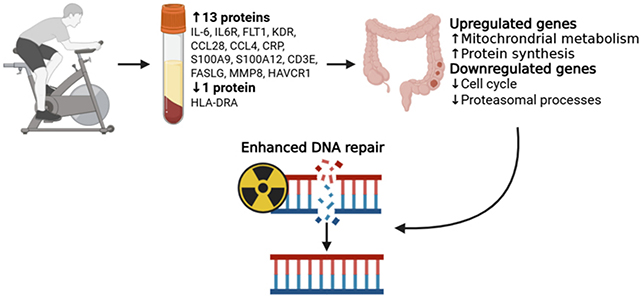
Thirty overweight or obese volunteers aged 50-78 years were recruited for the study (carrying extra weight is associated with higher cancer risk). After a quick warm-up, they completed an intense cycling exercise on a stationary bike lasting about 10 minutes.
Using blood serum samples collected before and after the exercise, the researchers identified how the molecular mix changed. These serum samples were then applied to lab-grown colon cancer cells, revealing some potential anti-cancer effects.
While exercise has previously been shown to be an effective way to slow colon cancer and help prevent its return after surgery, this study provides a detailed look at the biological pathways involved, which in turn opens the door to exploring new treatments.
In the meantime, it's another indication of how important exercise is for our overall health and well-being. Even if you can only fit in a few minutes every day, there's a good chance it'll make a difference to your mental and physical state.
"Even a single workout can make a difference," says Orange.
"One bout of exercise, lasting just 10 minutes, sends powerful signals to the body. It's a reminder that every step, every session, counts when it comes to doing your best to protect your health."

There are limitations here: The effects of the blood serum were tested only in lab-grown cancer cells, not people, and only the short-term effects of a single bout of exercise were measured.
However, there are enough encouraging signs here to suggest that short but vigorous bouts of exercise – or drugs that somehow stimulate the same effects in the body – could be a promising new way of slowing colon cancer.
In the US alone, there are more than 100,000 new cases of colon cancer every year, and more than 50,000 deaths. Colorectal cancer, which includes colon and rectal cancers, is actually the second most common cause of cancer death in the US right now.
"In the future, these insights could lead to new therapies that imitate the beneficial effects of exercise on how cells repair damaged DNA and use fuel for energy," says Orange.
The research has been published in the International Journal of Cancer.