This week in science: What Jurassic Park got right about DNA in mosquito blood meals; a potential anti-cancer compound synthesized from fungi after 55 years; a stunning golden shark; and much more!
Study Raises Serious Questions About The Benefits of Intermittent Fasting

A small study suggests some types of intermittent fasting have little impact on metabolic or cardiovascular health.
The findings suggest it may be calorie reduction rather than time-restricted eating itself that boosts key indicators of health inside the body.
Read the full story here.
Jurassic Park Was Right: Mosquitoes Really Can Carry Libraries of Animal DNA
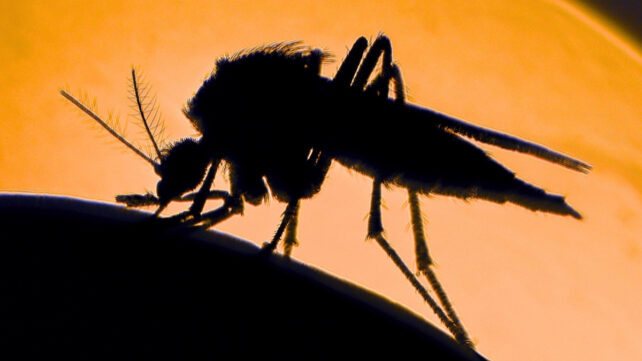
Scientists have identified the DNA of 86 animals in the blood meals of mosquitoes, suggesting at least one aspect of Jurassic Park was accurate.
A second study from the same team, led by biologist Sebastian Botero-Cañola, showed that sampling mosquitoes during their most active period was just as good as researchers surveying animals directly.
Read the full story here.
Potential Anti-Cancer Fungal Compound Finally Synthesized After 55 Years

After 55 years, MIT and Harvard scientists have finally synthesized a fungal compound that has potential anti-cancer properties.

"Now we have the technology where we can not only access them for the first time, more than 50 years after they were isolated, but also we can make many designed variants, which can enable further detailed studies," says MIT chemist Mohammad Movassaghi.
Read the full story here.
Unique 'Golden Shark' Caught Off Central America Diagnosed With Rare Condition

A strikingly golden shark spotted in 2024 has now been diagnosed with a rare pigment condition called albino-xanthochromism.
"Is this an isolated case?" the researchers write. "Could it represent an emerging genetic trend within the regional population? Is it related to specific environmental factors in the northern Caribbean of Costa Rica, or does it reflect the natural genetic variability of the species and its capacity to adapt to changing environments?"
Read the full story here.
Silencing Bacterial 'Chatter' in Your Mouth May Help Prevent Tooth Decay
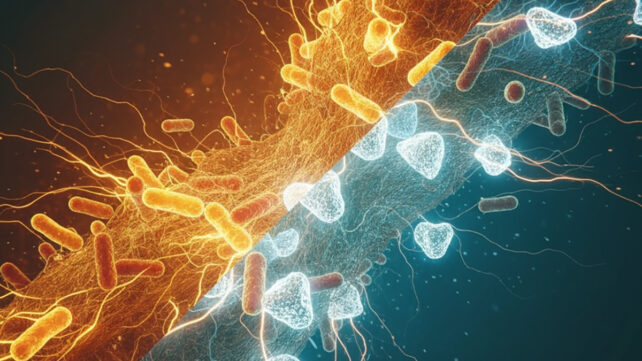
'Hacking' the communication signals of oral bacteria could cut the risk of gum disease and tooth decay, a new study finds.
"By disrupting the chemical signals bacteria use to communicate, one could manipulate the plaque community to remain or return to its health-associated stage," says biochemist Mikael Elias from the University of Minnesota.
Read the full story here.
'Fish Mouth' Filter Removes 99% of Microplastics From Laundry Waste
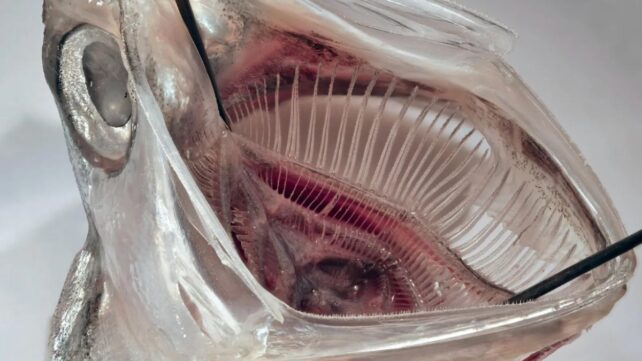
Inspired by filter-feeding fish, German scientists have created a new filter that can remove 99% of microplastics from laundry wastewater.
The plastic particles are then flushed into a separate compartment that can be emptied every few dozen washes, like the lint filter in a dryer.
Read the full story here.