Humans are living longer than ever before. By 2050, scientists predict that nearly half a billion people could be older than 80.
The rise in human life expectancy is partly due to improvements in nutrition, but which food choices lead to the longest and healthiest outcomes in older age?
Scientists are still trying to figure that out.
In younger cohorts, some particular diets are associated with years of added life, especially those focused on whole, plant-based foods and healthy fats.
But meat choices are more controversial, and they typically come with a catch.
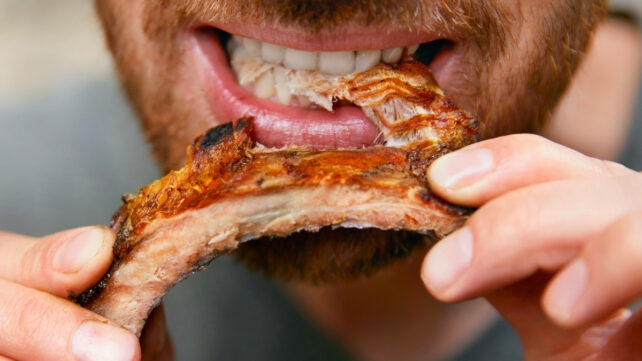
A study from China has now added another wrinkle to the research. Among more than 5,000 people aged 80 and over, researchers found that female meat eaters were more likely to reach age 100 than female vegetarians.
There was no significant association between longevity and vegetarianism among males, when the researchers analyzed the data by sex.
Before you go sending this article to every female vegetarian you know, you should stay for the nuance.
It was only vegetarian participants deemed underweight who were less likely to live to 100 than meat eaters.
"Daily consumption of meat was associated with a 44 percent higher likelihood of reaching 100 years old [compared to a vegetarian diet] in the underweight group, whereas this association did not present in the normal weight or overweight group," the study authors conclude.
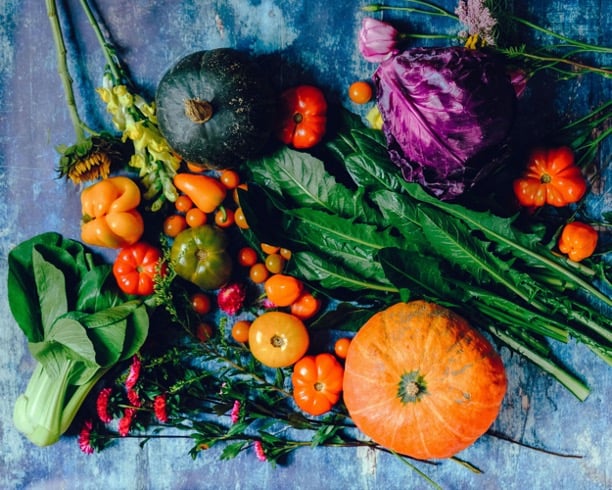
What's more, vegetarians who ate fish, dairy, or eggs had a similar chance of reaching 100 as meat eaters.
This suggests that older female adults who eat enough calories and essential nutrients may increase their odds of becoming a centenarian.
The findings support recent research that suggests protecting muscle mass by eating protein is vital to healthy aging.
The new data come from one of the largest studies on older adults anywhere in the world: the Chinese Longitudinal Healthy Longevity Survey (CLHLS).
Researchers at Fudan University, the Chinese Center for Disease Control and Prevention, and Shanghai Jiao Tong University compared the outcomes of 1,459 centenarians with those of 3,744 non-centenarians in their 80s and 90s.
The team found that body mass index (BMI) partly explained the association between vegetarianism and shorter life expectancy.
Given that older populations are more likely to be underweight, the authors suggest that the role of BMI in longevity is "worth exploring" further.
The "obesity paradox", for instance, is a term that describes how more body weight seems to be associated with better health outcomes in older populations. This is the opposite of what is found in younger populations.
The centenarian study in China can only reveal associations, which means it's possible that other factors are impacting the results.
The study, for instance, doesn't account for how eating habits might change over time; the surveys only assessed what participants ate in their later years, and that may be influenced by how easy the foods are to chew.
Previous research, however, supports the idea that lifestyle choices, such as diet, could be major reasons why some people live to 100.
In fact, by some estimates, reaching age 90 can be explained by 70 percent healthy behaviors, such as sleep, physical activity, or diet.
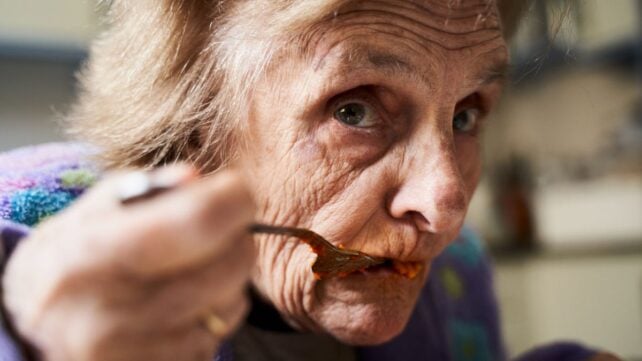
It's possible that older adults may have different nutritional needs, yet many studies on vegetarianism focus on younger cohorts.
One study of more than 65,000 people, young and old, found that those who eat a vegetarian diet may face a higher risk of fractures, possibly due to lower calcium and protein intake.
In fact, some evidence shows that older people require more dietary protein than current guidelines suggest.
Nutrition, however, is an extremely complex area of research, and health outcomes can be influenced by a plethora of societal, environmental, and individual factors.
In all probability, the best food choices for extending life require diversity and balance, differing from person to person.

Vegetarian diets, plant-based diets, and low-meat diets have been linked to lower risks of certain health issues, such as heart disease, stroke, type 2 diabetes, and obesity.
Still, not all meat is equally associated with negative health outcomes, and the amount can matter. Processed meats and red meat, for instance, are often linked to poorer health and shorter longevity, which is why they are generally recommended to be eaten in moderation.
Related: Study Reveals a Turning Point When Your Body's Aging Accelerates
"Our findings emphasized the importance of a balanced diet from both animal- and plant-derived food for healthy longevity," write the team.
"Future studies focusing on older adults of advanced age are needed for the formulation of dietary guidance."
The study is published in The American Journal of Clinical Nutrition.